How to Protect Your Credit Card From Fraud: A Practical Security Guide
Learn how to keep your credit card safe from fraud with practical habits, smart alerts, and clear steps to take if something goes wrong. A U.S. security guide.
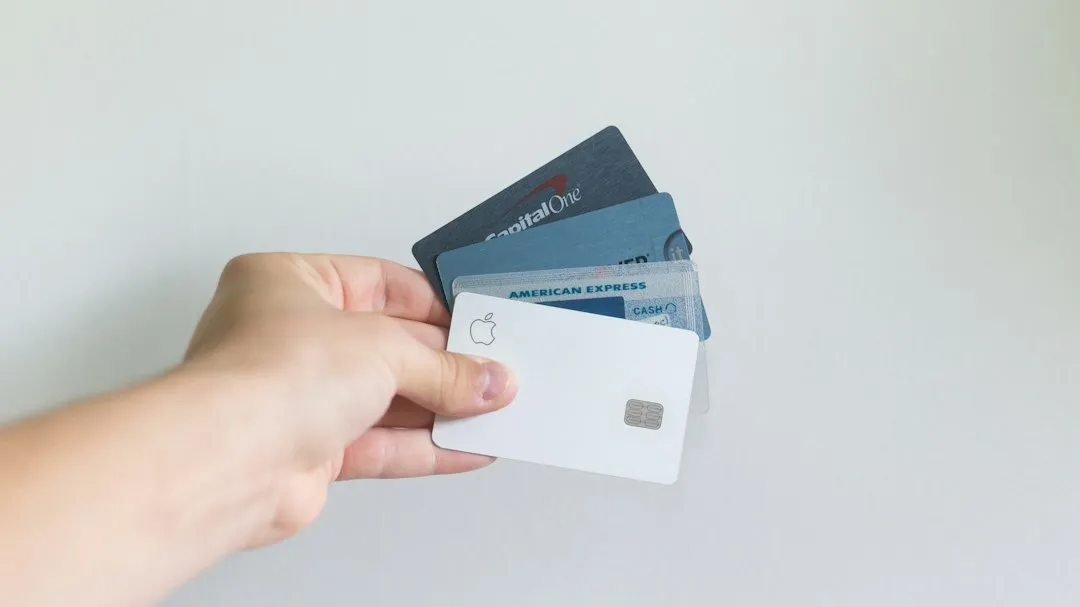
A credit card is one of the safest ways to pay, but only if you use it with a few smart habits in place. Fraud attempts have become more sophisticated, from fake text messages to compromised checkout pages. The good news is that U.S. consumers have strong legal protections, and a handful of simple routines can prevent most problems before they start. This guide walks through how card fraud happens, how to reduce your risk, and exactly what to do if you spot something suspicious.
Why Credit Cards Are Safer Than Debit Cards
Before getting into habits, it helps to understand why many people prefer credit cards for everyday spending. Under federal law, your liability for unauthorized credit card charges is capped, and many issuers go further with zero-liability policies. Just as important, a fraudulent charge on a credit card is the lender's money, not yours. With a debit card, the money leaves your checking account immediately, which can leave you short on rent or bills while the dispute is investigated.
That difference is the main reason security-minded consumers keep a credit card for online shopping, travel, and restaurants, and reserve debit cards for ATM withdrawals. The Consumer Financial Protection Bureau (CFPB) publishes plain-language explanations of these rights on its official website, and it is worth reading once so you know what you are entitled to.
How Credit Card Fraud Usually Happens
Knowing the common methods makes them easier to spot.
Phishing and Impersonation
Fraudsters send emails, texts, or calls pretending to be your bank, a delivery service, or a retailer. They push urgency: your account is locked, a package is stuck, a charge needs to be confirmed. The goal is to get you to click a link or read out your card number or a one-time passcode. Your real issuer will never ask for your full card number, PIN, or verification code by text or email.
Compromised Websites and Data Breaches
Sometimes the weak link is not you at all. A merchant's database is breached, or a fake checkout page quietly copies what you type. This is why monitoring matters even when you are careful.
Skimmers and Physical Theft
Card skimmers on gas pumps and ATMs, and simple card theft, still occur. Tap-to-pay and chip readers are safer than swiping, because they generate a unique code for each transaction rather than exposing a static number.
Account Takeover
If someone gets into your online banking login, they can change your address, order a replacement card, or add themselves as a user. Weak or reused passwords are the usual cause.
Build a Strong Security Foundation
These are the habits that do the most work for the least effort.
- Use a unique, strong password for every financial account. A reputable password manager makes this painless.
- Turn on two-factor authentication for your card issuer's app and website, preferably with an authenticator app or the issuer's in-app approval rather than only SMS.
- Enable instant transaction alerts. Most issuers can notify you of every purchase, or every purchase over an amount you choose. A text within seconds of a stranger's charge is the fastest fraud detector there is.
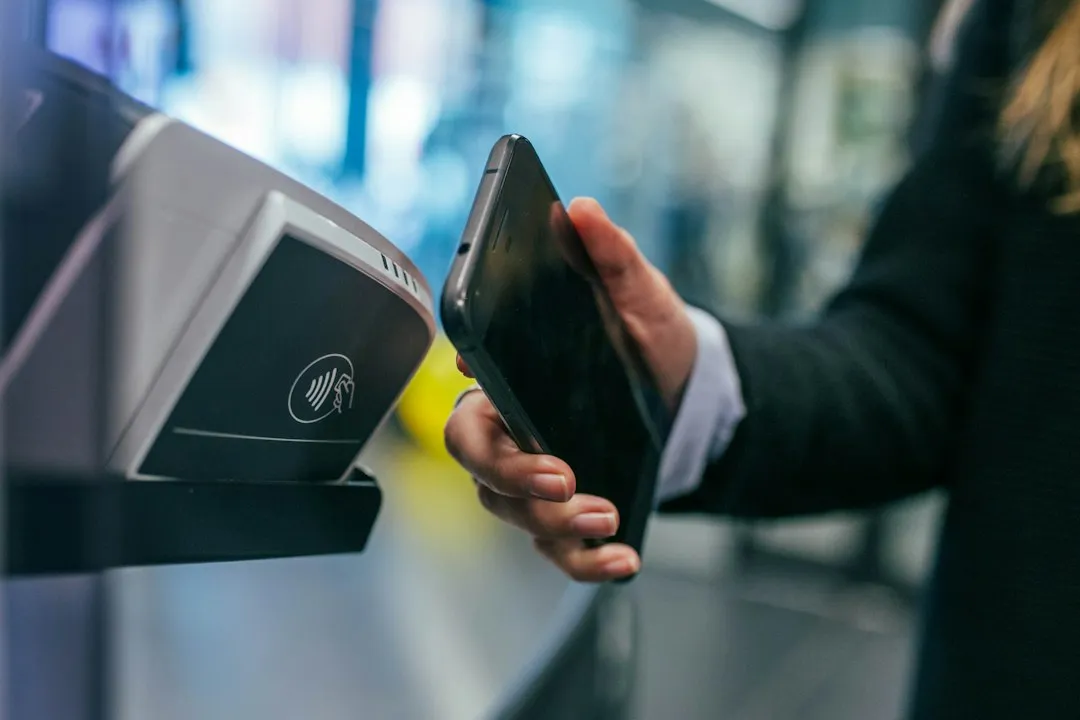
- Use mobile wallets when possible. Paying with a phone or smartwatch uses tokenization, so the merchant never sees your actual card number.
- Keep your contact details current so the issuer can reach you when its fraud team flags something.
Safe Habits for Online Shopping
Online fraud is where most cardholders feel exposed, but a few rules cover most of the risk.
Check that the web address begins with "https" and that the site name is spelled correctly, since lookalike domains are a common trick. Avoid entering card details on public Wi-Fi, or use your phone's cellular connection instead. Be cautious with deals that look too good to be true, especially on unfamiliar sites or social media ads. Many issuers also offer virtual card numbers you can generate for a single merchant, which limits the damage if that merchant is ever breached. Check your own issuer's official website to see whether that feature is available to you.
It also helps to avoid saving your card on every site you visit. Storing it with a handful of trusted merchants is convenient, but a long list of saved cards multiplies your exposure.
Protect the Physical Card
Treat your card like cash. Do not photograph it and leave the image in your camera roll, and never lend it out. When you use a card at a gas pump or ATM, look for loose, bulky, or mismatched card readers, and prefer pumps near the station entrance where tampering is more visible. At restaurants, keep the card in sight when possible or pay at the terminal. If your issuer allows it, use the app's lock or freeze feature to pause the card instantly if you misplace it, then unlock it once found.
Review Your Statements Regularly
Alerts catch fraud in real time, but a periodic review catches the small stuff, like tiny test charges criminals use to confirm a stolen number works. Go through your transactions at least weekly, and give your monthly statement a closer look. If you want a walkthrough of what each section means, our guide on how to read a credit card statement covers it line by line. Look for merchants you do not recognize, duplicate charges, and unexpected subscriptions or recurring fees.
What to Do If You Spot Fraud
Speed matters, and so does staying calm. Follow these steps in order.
- Lock or freeze the card in your issuer's app if that option exists.
- Contact your issuer right away using the phone number on the back of your card or in the official app. Do not use a number from a text or email you received.
- Report the unauthorized charges and ask for a replacement card with a new number.
- Update any automatic payments tied to the old number so you do not miss bills.
- Keep a record of the date, time, and name of anyone you speak with, plus any reference number.
- Consider a fraud alert or credit freeze with the credit bureaus if you suspect your personal information, not just your card, was exposed. Freezes are free under federal law.
Report the incident to the Federal Trade Commission at its official identity theft website if your identity may have been compromised. Acting within days, rather than weeks, generally makes the dispute process smoother.
Security Is Part of Healthy Card Habits
Protecting your card is one piece of using credit well. Paying on time and keeping balances manageable matter just as much, and our guide on choosing the right credit card for your spending habits can help you match a card to how you actually spend. If you are also thinking about reducing interest costs, see how to negotiate a lower interest rate on your credit card. And because fraud losses are easier to absorb when you have a cushion, consider reading about building a financial safety net.
A Note on Fees and Terms
Card security features, such as virtual card numbers, alert options, and lock tools, vary by issuer, and annual fees and other costs differ from one card to the next. Always check the current terms on your issuer's official website before relying on a particular feature or comparing products, since details can change.
Key Takeaways
- Credit cards generally offer stronger fraud protection than debit cards because the money at risk is the lender's.
- Unique passwords, two-factor authentication, and instant alerts stop most problems early.
- Use mobile wallets, tap-to-pay, and virtual card numbers where available.
- Review transactions often and report anything unfamiliar immediately.
- If fraud happens, lock the card, call your issuer using the official number, and document everything.
A few minutes of setup today can save you hours of stress later. Turn on your alerts, tighten your passwords, and make transaction review a routine, and your credit card will remain one of the safest tools in your financial toolkit.

Ethan Kowalski
Personal finance writer based in Chicago, focused on credit cards, rewards programs, and consumer banking.