How to Choose the Right Credit Card for Your Spending Habits
Learn how to match a credit card to your lifestyle and spending habits. Practical tips to pick the right rewards, fees, and features for your financial goals.
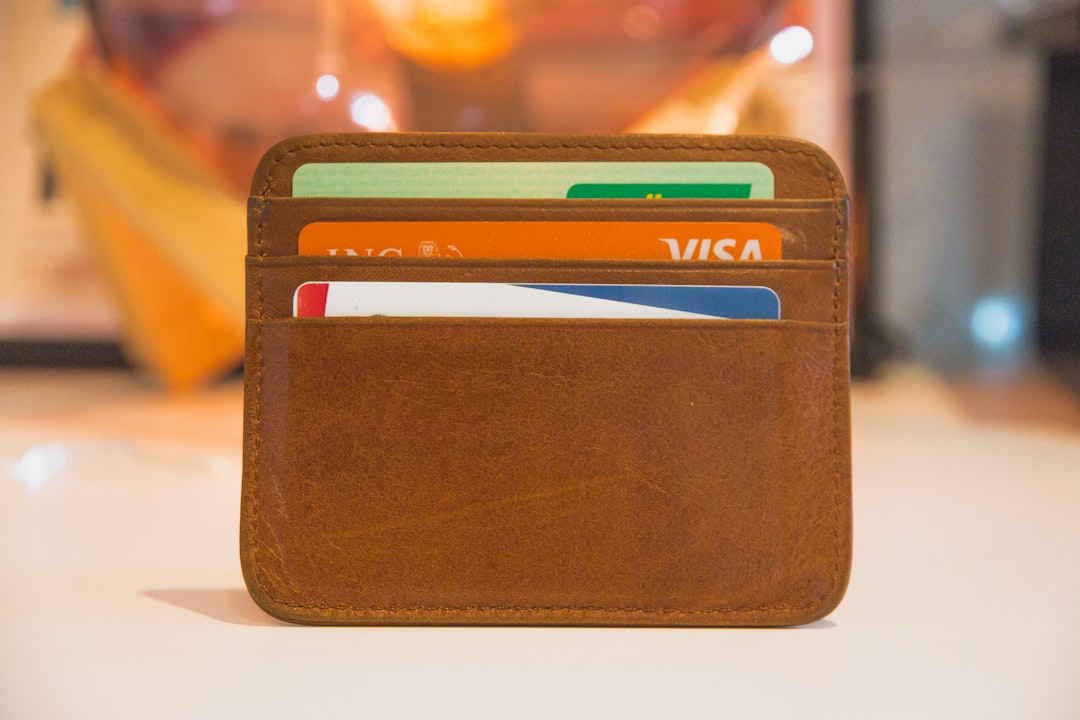
With hundreds of credit cards competing for your attention, choosing the right one can feel overwhelming. But here's the truth: the best credit card for you isn't necessarily the one with the flashiest sign-up bonus or the longest list of perks. It's the one that fits how you actually spend money every day. This guide walks you through a practical, step-by-step framework for matching a card to your lifestyle — so you earn real value instead of chasing benefits you'll never use.
Step 1: Understand Your Spending Patterns
Before you compare cards, look at where your money actually goes. Pull up three months of bank or credit card statements and categorize your purchases. Most people discover their spending clusters into a handful of categories — and knowing yours is the foundation of every smart card decision.
Common spending patterns and the card types that match them:
- Foodies and entertainers: If dining out, streaming services, and weekend activities eat up a large share of your budget, a card with elevated rewards on those categories can return serious value.
- Frequent travelers: If you book flights and hotels regularly, a travel rewards card with bonus points on those purchases — and perks like free checked bags or lounge access — can offset its annual fee quickly.
- Everyday spenders: If your purchases are spread across many categories with no clear winner, a flat-rate cash back or miles card keeps things simple without requiring you to track categories.
- Gas and grocery heavy: If you commute by car and cook most meals at home, a card that rewards those two categories specifically will out-earn a generic flat-rate card over time.
Once you know your pattern, you can filter cards meaningfully — rather than being swayed by marketing.
Step 2: Decide Between Cash Back, Points, and Miles
Rewards come in three basic forms, and each has a different ideal user. Understanding how credit card rewards actually work before you apply will help you avoid surprises when it's time to redeem.
Cash Back
Cash back is the simplest reward structure. You earn a percentage of each purchase back as a statement credit, check, or direct deposit. There's no learning curve and no risk of rewards losing value. Cards like the Citi Custom Cash — which earns 5% back on your single highest spending category each billing cycle — are powerful tools for people who want maximum returns without managing multiple cards. Similarly, the Capital One Savor earns 3% cash back on dining, entertainment, popular streaming, and grocery stores with no annual fee, making it a strong pick for social spenders.
Miles
Miles-based cards are ideal if you travel at least a few times per year and want flexible redemption options. The Discover it Miles card, for example, earns 1.5x miles on every purchase and matches all the miles you earn in your first year — effectively doubling your rewards rate with no annual fee. For heavier travelers, the Capital One Venture X earns 2x miles on every purchase and jumps to 10x on hotels and 5x on flights booked through Capital One Travel, though its $395 annual fee requires consistent use to justify.
Hotel and Airline Points
Co-branded cards tied to specific hotel chains or airlines deliver the most value when you're loyal to those brands. If you frequently stay at IHG properties, for example, the IHG One Rewards Premier can earn up to 26x points per stay and includes an anniversary Free Night — benefits that quickly outpace the $99 annual fee for regular guests. Comparing cash back to travel rewards in detail can help you figure out which structure fits your life.

Step 3: Evaluate the Annual Fee Honestly
Annual fees aren't inherently bad — but they need to make financial sense for your situation. The key question is: will the rewards and perks I use exceed the annual fee each year?
Here's a simple mental model:
- $0 annual fee cards are risk-free. You keep them open indefinitely, which helps your credit score by maintaining account age and available credit. Cards like the Apple Card, Citi Custom Cash, Capital One Savor, and Hilton Honors American Express all cost nothing to hold.
- $95–$99 annual fee cards need to return at least that much in value. This is often achievable through a single annual perk — like the Marriott Bonvoy Boundless's annual Free Night Award or the JetBlue Plus Card's free first checked bag benefit, which alone can cover the fee if you fly JetBlue even once or twice a year.
- $395+ annual fee cards require a detailed value calculation. The Capital One Venture X, for instance, offsets much of its cost through annual travel credits and bonus miles — but only for people who genuinely travel enough to use them.
Step 4: Check the Interest Rate (APR)
If you carry a balance from month to month, the APR matters far more than any rewards rate. A card earning 3% cash back is a net negative if you're paying 20%+ in interest on an unpaid balance. In this case, prioritize cards with lower interest rates or 0% intro APR offers over rewards cards.
The CFPB (Consumer Financial Protection Bureau) offers free resources to help you understand how APR affects your total cost of borrowing — worth reading before you apply for any card.
The smartest approach: use rewards cards only if you pay your statement balance in full each month. That way, you capture the upside of rewards without the cost of interest. Learning how to use a credit card without going into debt is the single most important habit that makes any card choice worthwhile.

Step 5: Match the Card to Your Credit Profile
Your credit score determines which cards you qualify for. Applying for a premium travel card when you're still building credit leads to a hard inquiry on your report and a likely rejection — a double loss. Match your application to your current profile:
- Limited or no credit history: Start with a secured card or a card designed for credit-builders. Focus on building a track record before seeking rewards cards.
- Fair credit: Some rewards cards are accessible at this tier. The Capital One SavorOne, for example, is available to consumers with fair credit and still earns 3% cash back on dining, entertainment, streaming, and grocery stores for a $39 annual fee.
- Good to excellent credit: The full range of cards opens up. Focus on matching rewards to spending habits and evaluating annual fee value as described above.
Check your credit score for free through many banks, credit unions, and financial apps before applying. Most issuers publish the credit range they target, so you can apply with confidence rather than guesswork.
Step 6: Think About How Many Cards You Want to Manage
Some people thrive with a two-card strategy — a category-specific card for their biggest spending area and a flat-rate card for everything else. Others prefer the simplicity of a single card. Both approaches work, but complexity has a cost: the more cards you hold, the more statements to review, due dates to track, and annual fees to justify.
If you're new to rewards cards, start with one. Master it, understand your rewards balance, and learn your statement inside out. Reading your credit card statement carefully each month is a habit that pays off in avoided fees and early fraud detection. Add a second card only when you've clearly identified a spending gap the first card doesn't cover well.

A Quick Decision Framework
If you're still unsure where to start, use this shortcut:
- Spend heavily on dining and entertainment → Consider the Capital One Savor (no annual fee) or Citi Custom Cash if dining is your top category
- Want travel miles without an annual fee → Discover it Miles
- Loyal to a specific hotel brand → Match to that brand's co-branded card
- Want simplicity with a flat rate → A no-fee flat-rate card keeps things clean
- Travel frequently and want premium perks → Evaluate whether a higher annual fee card's credits and bonuses offset the cost
The Bottom Line
The right credit card isn't the most popular one or the one with the longest list of features — it's the one that rewards how you already live. By understanding your spending patterns, being honest about whether you'll pay your balance in full, and matching the annual fee to real value you'll extract, you put yourself in a position to come out ahead every month.
Take fifteen minutes to review your last three months of spending, pick the category where you spend the most, and let that guide your search. The perfect card is probably simpler to find than you think.

Ethan Kowalski
Personal finance writer based in Chicago, focused on credit cards, rewards programs, and consumer banking.