How to Build a Sinking Fund: Plan for Irregular Expenses Without Stress
Learn how to build a sinking fund to cover car repairs, holidays, insurance premiums, and other irregular expenses without relying on credit cards or debt.

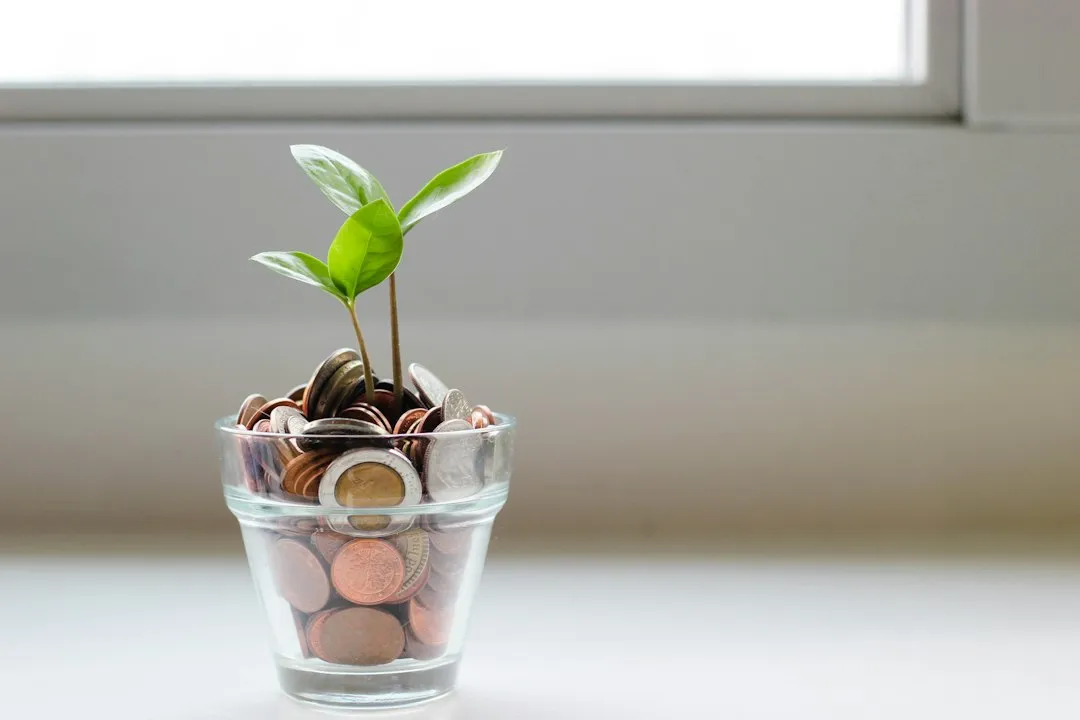
Most budgets break down for the same reason: not because of rent or groceries, but because of the expenses that show up once or twice a year. Car registration, holiday gifts, annual insurance premiums, a vet bill, a laptop that finally gives out. These costs are predictable in the sense that you know they are coming, yet they still feel like emergencies when the bill arrives. A sinking fund solves that problem by turning large, irregular costs into small, manageable monthly amounts.

What Is a Sinking Fund?
A sinking fund is money you set aside gradually for a specific future expense. Instead of scrambling to pay a $900 car repair or a $1,200 annual insurance premium all at once, you save a little each month so the cash is already waiting when the bill comes due.
The idea is simple, but it is often confused with an emergency fund. They serve different purposes:
- Emergency fund: Covers true surprises, such as job loss, a medical crisis, or an unexpected home emergency. You cannot predict the timing or amount.
- Sinking fund: Covers expenses you know are coming, even if you do not know the exact date or price. You can plan for these in advance.
Keeping the two separate matters. If you dip into your emergency fund for a predictable holiday expense, you weaken the protection you built for real crises. If you want a deeper look at that foundation, see our guide on building a financial safety net.
Why Sinking Funds Work So Well
The biggest benefit is psychological. A $600 expense feels painful when it arrives unannounced, but $50 a month for twelve months barely registers. By spreading the cost out, you remove the shock and the temptation to put everything on a credit card.
There are practical benefits too:
- Less debt: Planned expenses no longer turn into revolving balances that accrue interest.
- Better decisions: When cash is already set aside, you can shop around, wait for sales, and negotiate instead of paying whatever is demanded in a rush.
- Less money stress: Knowing that holidays, repairs, and renewals are already covered makes your overall budget feel calmer and more predictable.
- Cleaner budgeting: Your monthly spending reflects real costs, not just the ones that happen to land in that month.
Step 1: List Your Irregular Expenses
Start by looking back through the last twelve months of bank and credit card statements. Highlight every expense that did not repeat monthly. You are looking for costs that surprised you, even if they should not have.
Common sinking fund categories include:
- Car maintenance and repairs
- Annual or semiannual insurance premiums
- Vehicle registration and inspection fees
- Holiday and gift spending
- Birthdays, weddings, and special occasions
- Medical, dental, and vision out-of-pocket costs
- Annual subscriptions and memberships
- Home maintenance and appliance replacement
- Travel and vacations
- Back-to-school or seasonal clothing
- Property taxes or annual HOA fees
If you have never tracked this before, our walkthrough on how to audit your spending will help you uncover expenses you may have forgotten.

Step 2: Estimate the Cost and Timeline
For each category, decide how much you will likely need and when you will need it. Use past statements as a guide, and round up slightly to give yourself a cushion.
Here is a simple example:
- Car repairs: $900 per year
- Holiday gifts and travel: $1,200 due in December
- Annual insurance premium: $1,080 due in June
- Medical and dental costs: $600 per year
Not every category needs an exact number. For expenses you cannot price precisely, like car repairs, base the target on your vehicle's age and history. A ten-year-old car deserves a bigger repair fund than a new one.
Step 3: Do the Math
Divide each target by the number of months until the expense is due. That gives you the monthly amount to set aside.
Using the examples above, with a twelve-month horizon:
- Car repairs: $900 / 12 = $75 per month
- Holiday spending: $1,200 / 12 = $100 per month
- Insurance premium: $1,080 / 12 = $90 per month
- Medical and dental: $600 / 12 = $50 per month
In this example, the total sinking fund contribution is $315 per month. That may look like a lot at first, but remember that you were already paying these costs. You were simply paying them in painful lumps, often with borrowed money.
If the total feels too high, prioritize. Fund the non-negotiable categories first, such as insurance and car maintenance, then add the optional ones as your budget allows. Many people find that the 50/30/20 rule offers a useful framework for deciding how much of your monthly income can reasonably go toward these goals.
Step 4: Choose Where to Keep the Money
Sinking fund money should be safe, accessible, and separate from your everyday spending. You have a few good options:
One High-Yield Savings Account With Sub-Buckets
Many online banks let you create multiple named savings buckets or goals within a single account. This keeps everything organized while earning interest. FDIC insurance covers deposits at member banks up to $250,000 per depositor, per insured bank, per ownership category, so your money stays protected. To learn how to pick a good account, read our guide to choosing and using a high-yield savings account.
Separate Savings Accounts
If you prefer a stronger mental barrier, open a separate account for each major goal. This makes it harder to casually spend the money, though it can become cumbersome if you track many categories.
A Simple Spreadsheet
If you keep all the cash in one account, use a spreadsheet to track how much belongs to each category. This works well as long as you update it every time you add or spend money.
Step 5: Automate Your Contributions
The strongest sinking funds run on autopilot. Schedule an automatic transfer on payday so the money leaves your checking account before you have a chance to spend it. Treat these transfers like any other bill. When saving is automatic, you do not rely on willpower, and your funds grow quietly in the background.
If your income is irregular, set your transfers as a percentage of each deposit rather than a fixed dollar amount, or fund the most important categories first whenever you get paid.
Using Credit Cards Alongside a Sinking Fund
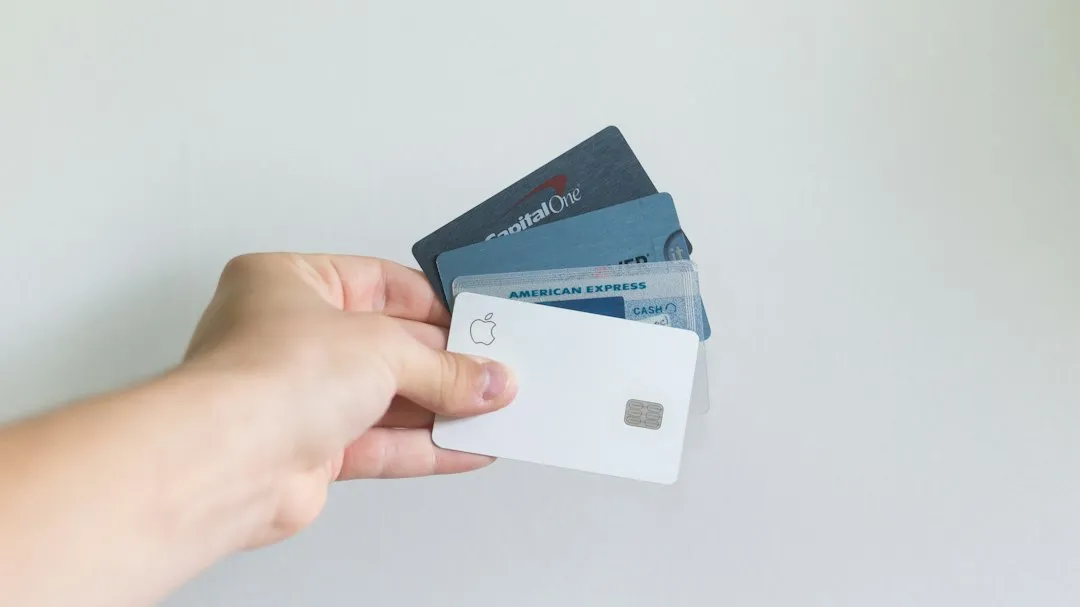
A sinking fund does not mean you must stop using credit cards. In fact, pairing the two can be powerful when you stay disciplined. You can pay for a planned expense with a rewards card, then immediately withdraw the matching amount from your sinking fund to pay the statement balance in full. You collect the rewards, avoid interest, and keep your budget intact.
For example, a card like the Capital One Savor earns 3% cash back on dining, entertainment, popular streaming services, and grocery stores, and 1% on everything else, with no annual fee. That could make it a reasonable fit for holiday meals, entertainment, or groceries, as long as you pay the balance off using money you already set aside.
The key is that the sinking fund covers the bill, not the card. If you ever find yourself carrying a balance to pay for something you planned for, the system has slipped. Our guide on using a credit card day to day offers habits that keep rewards cards working in your favor.
What to Do When You Spend From the Fund
When the expense arrives, use the money without guilt. That is exactly what it was saved for. After spending, reset the category and start building it again. Some expenses, like a car repair, may exceed what you saved. In that case, use the available balance and cover the rest from your regular budget, then increase the monthly contribution if repairs are happening more often than expected.
If you have money left over at the end of the cycle, you have a few choices:
- Roll it forward to reduce next year's monthly contribution
- Redirect it to another underfunded category
- Move it to your emergency fund or other savings goals
Common Sinking Fund Mistakes to Avoid
- Mixing it with your emergency fund: Keep the two separate so each has a clear purpose.
- Starting too many categories at once: Begin with three or four and expand as the habit sticks.
- Underestimating costs: Review your estimates once or twice a year and adjust for price changes.
- Raiding the fund for wants: If you need to borrow from it, replace the money quickly.
- Skipping contributions in tight months: Even a smaller deposit keeps the habit alive.
A Simple Way to Get Started This Week
You do not need to build a perfect system on day one. Pick the one or two irregular expenses that caused you the most stress last year. Calculate a monthly amount, open a labeled savings bucket, and set up an automatic transfer. After a few months, add another category. Over time, the occasional financial shocks that used to derail your budget will become routine, planned events.
The real value of a sinking fund is not just the money you save. It is the confidence that comes from knowing your big expenses are already handled. When the bill arrives, you simply pay it and move on.

Lauren Hartwell
Brooklyn-based money management columnist covering budgeting, saving, and everyday financial habits.