How to Use a Credit Card Day to Day: Smart Habits That Protect Your Wallet
Learn practical everyday credit card habits: when to swipe, how to track purchases, set up alerts, time payments, and avoid annual fee surprises in the U.S.
Owning a credit card is easy. Using one well, week after week, is where the real difference shows up. The cardholders who come out ahead are rarely the ones with the fanciest piece of plastic. They are the ones who have built a few simple routines around how, when, and why they use it. This guide walks through the day-to-day habits that keep a credit card working for you instead of against you.
Decide What the Card Is For
Before worrying about rewards or perks, decide what role the card plays in your life. For most people, the healthiest answer is simple: a credit card is a payment tool that you pay off in full, not a source of extra income. When you treat it as a convenient, protected way to spend money you already have, the rest becomes much easier.
A useful mental rule is to only charge what you could pay for with cash or debit today. If you would hesitate to hand over that amount from your checking account, the card is not the solution. That single habit prevents most of the debt problems that cardholders run into. If you want a deeper walkthrough of this idea, our guide on protecting your credit card from fraud pairs well with the routines covered here.
Build a Simple Daily and Weekly Routine
You do not need a complicated system. A few light touchpoints are enough to stay in control.
Check Your Transactions Often
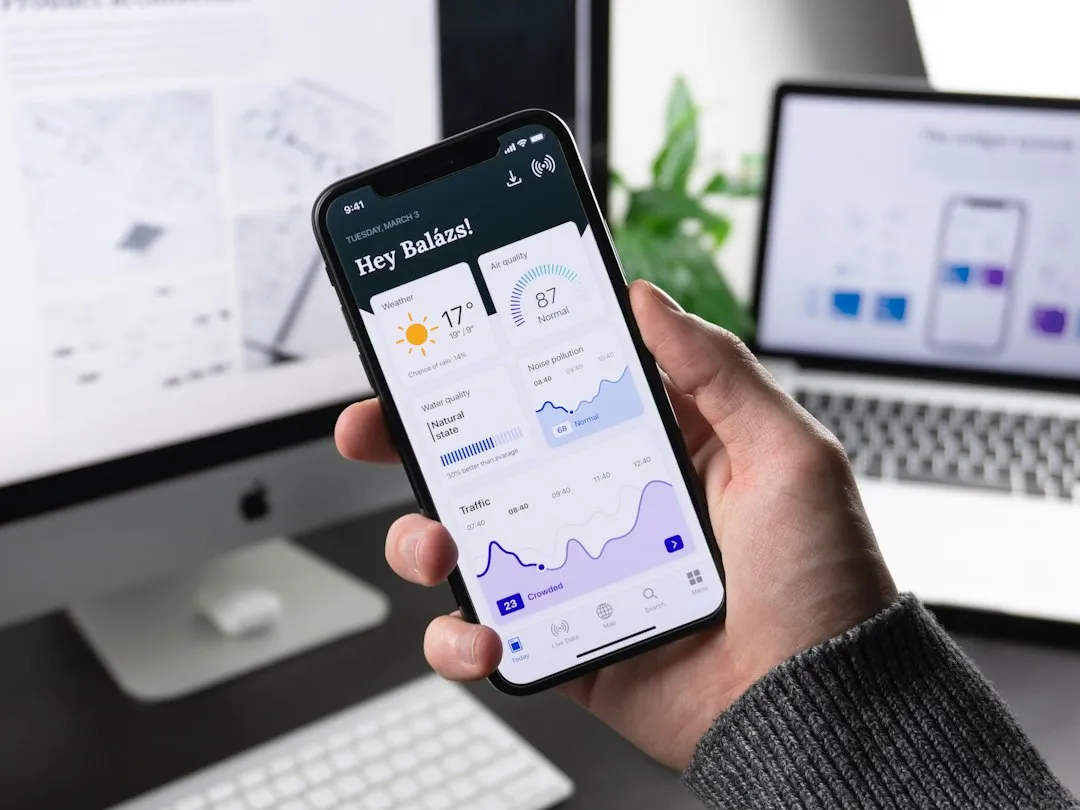
Open your card issuer's app or website at least once a week and scan your recent purchases. You are looking for two things: charges you do not recognize, and a running sense of how much you have spent this billing cycle. Catching a small unfamiliar charge early is one of the most effective security measures available to you, because many fraudsters test a card with a tiny purchase before attempting a large one.
Turn On Alerts
Nearly every issuer lets you enable push notifications or text alerts. Useful ones include:
- A notification for every transaction, or for transactions above an amount you choose
- A reminder a few days before your payment due date
- An alert when your balance crosses a threshold you set
- A notice for any card-not-present or international purchase
These alerts take a few minutes to set up and act as a safety net for both fraud and forgetfulness.
Keep Receipts Until the Charge Posts
Hold on to receipts, or digital confirmations, until the purchase appears correctly on your statement. This makes disputing a wrong amount or a duplicate charge far simpler if something goes wrong.
Everyday Security Habits That Actually Matter
Card security is mostly about reducing opportunities for things to go wrong. Under federal law, your liability for unauthorized credit card charges in the United States is limited, which is one reason many people prefer credit cards over debit cards for everyday spending. Still, prevention beats cleanup.
- Use tap-to-pay or mobile wallets when possible. These methods generate a one-time code for each transaction instead of exposing your actual card number to the merchant.
- Be careful on public Wi-Fi. Avoid entering card details on shared networks, or use your phone's cellular connection instead.
- Use a unique, strong password for your card account and turn on two-step verification if your issuer offers it.
- Never share your card number, security code, or one-time passcodes with anyone who contacts you unexpectedly. Your issuer will not ask you for these by phone or text.
- Lock or freeze the card from the app if you misplace it. You can usually unlock it again if you find it.
For a fuller breakdown of threats and defenses, see our dedicated guide on how to protect your credit card from fraud.
Time Your Payments to Avoid Interest and Late Fees
The single most valuable day-to-day habit is paying your statement balance in full, on time, every month. When you do, you generally avoid interest charges on new purchases thanks to the grace period that most cards offer. Carrying a balance, even a modest one, usually means you start paying interest right away and may lose that grace period until the balance is cleared.
Set Up Autopay as a Safety Net
Autopay is one of the easiest ways to protect yourself from an accidental late payment, which can lead to a fee and may be reported to the credit bureaus once it is far enough past due. Many people choose to schedule the full statement balance. If you prefer more control, at least set autopay for the minimum so a missed date never becomes a late payment, then pay the rest manually.
Pay More Than Once a Month if Helpful
There is no rule that you can only pay once per cycle. Making a payment mid-month, after a big purchase, keeps your balance lower and can help your credit utilization look healthier when your issuer reports to the bureaus. It also reduces the risk of a large bill catching you off guard.
Understand How Costs Show Up on Your Card
Credit cards can carry several types of costs, and knowing where they live helps you avoid surprises. The details vary by issuer and by individual card, so always check the current terms on the issuer's official website rather than relying on memory or marketing summaries.
- Interest (APR): The cost of carrying a balance from one cycle to the next.
- Annual fee: A yearly charge some cards have in exchange for added benefits. Many cards have none at all.
- Late fees: Charged when a payment is missed or arrives after the due date.
- Cash advance fees and rates: Withdrawing cash against your card is typically expensive and often starts accruing interest immediately.
- Foreign transaction fees: Some cards add a charge on purchases processed outside the United States, while others do not.
Annual Fees: When They Make Sense and When They Don't
An annual fee is not automatically a bad thing, but it should earn its place. The question to ask is whether you will realistically use the benefits enough to justify the cost. Perks like travel credits, hotel nights, or lounge access only create value if you actually use them in the way the card intends.
A practical approach is to review your card once a year, ideally a month or two before the fee posts:
- List the benefits you used over the past twelve months.
- Estimate what those benefits were worth to you in real terms, not theoretical ones.
- Compare that value to the annual fee and to what you would earn on a no-fee alternative.
- If the math no longer works, ask your issuer about a downgrade to a no-fee version rather than simply closing the account, which can affect your credit history.
If you are weighing whether a card matches your habits in the first place, our guide to choosing the right credit card for your spending habits can help you think it through.
Use Rewards Without Letting Them Drive Spending
Cash back, points, and miles are a nice bonus, but they should never be the reason you buy something. The value of a reward is only a small fraction of what you spend, so spending extra to earn it is almost always a losing trade. The healthy approach is to run your normal, planned expenses through the card, pay it off in full, and treat the rewards as a modest dividend.
It also helps to keep things simple. Many people do best with one or two cards they understand well rather than a wallet full of cards they struggle to track. Each additional card is another due date, another login, and another place for a mistake to hide.
Know What to Do When Something Goes Wrong
Even careful cardholders occasionally face a problem. Having a plan in advance makes it far less stressful.
- Unrecognized charge: Contact your issuer right away through the number on the back of your card or the official app. Report it, request a new card number, and ask about the dispute process.
- Billing error: Federal rules give you the right to dispute billing errors in writing within a set window after the statement date. Check your issuer's instructions for the exact steps.
- Lost or stolen card: Freeze or cancel it immediately, then request a replacement. Update any recurring payments tied to the old number.
- Trouble paying: Call your issuer before you miss a payment. Many offer hardship options, but they are far easier to arrange before an account becomes delinquent.
If you ever need additional guidance, the Consumer Financial Protection Bureau (CFPB) publishes plain-language resources on card disputes and your rights as a cardholder.
A Simple Checklist to Keep Handy
- Only charge what you can pay off this month
- Check transactions weekly and keep alerts switched on
- Use autopay as a backstop against missed payments
- Prefer tap-to-pay or a mobile wallet over typing in your card number
- Review your annual fee situation once a year
- Verify current rates, fees, and terms on the issuer's official website
The Bottom Line
Using a credit card well comes down to consistency, not complexity. A short weekly check-in, a few well-chosen alerts, a reliable payment routine, and an honest yearly review of any annual fee will carry you further than any rewards trick. Build those habits once, and your card becomes what it should be: a safe, convenient tool that works quietly in the background while you focus on the rest of your financial life. To keep building on these foundations, explore our guide on using a credit card without going into debt next.

Ethan Kowalski
Personal finance writer based in Chicago, focused on credit cards, rewards programs, and consumer banking.