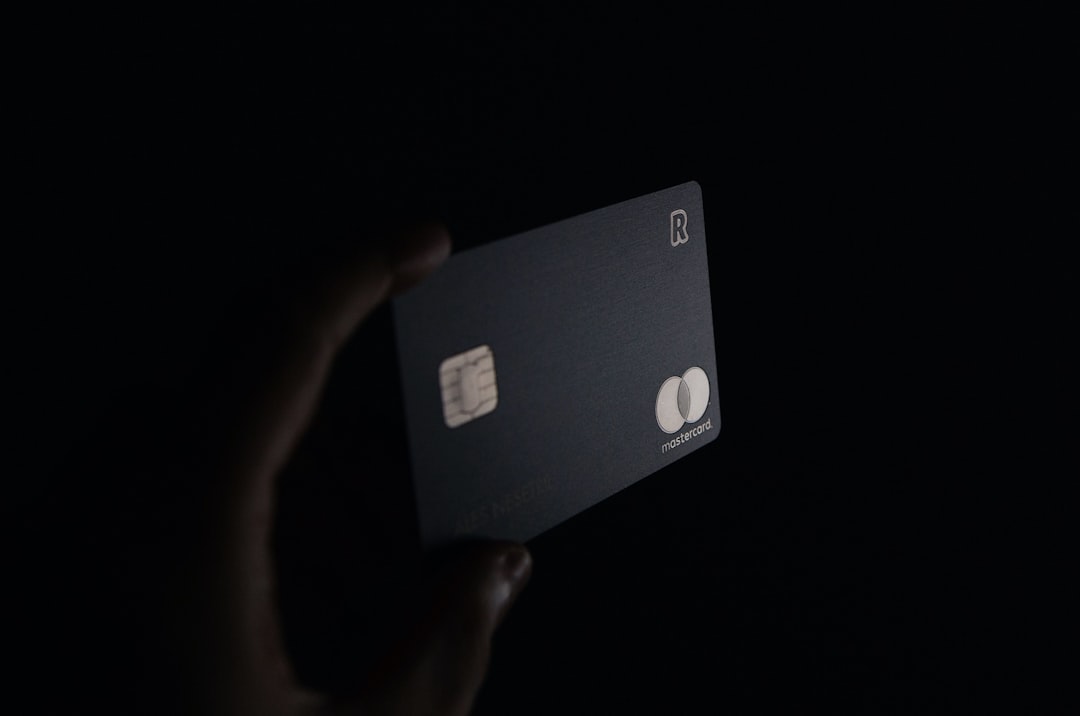
JetBlue Plus Card: Earn More Miles on Every Flight and Everyday Purchase
The JetBlue Plus Card rewards loyal flyers with 6x points on JetBlue, 2x on dining and groceries, a free checked bag, and more — all for $99 a year.
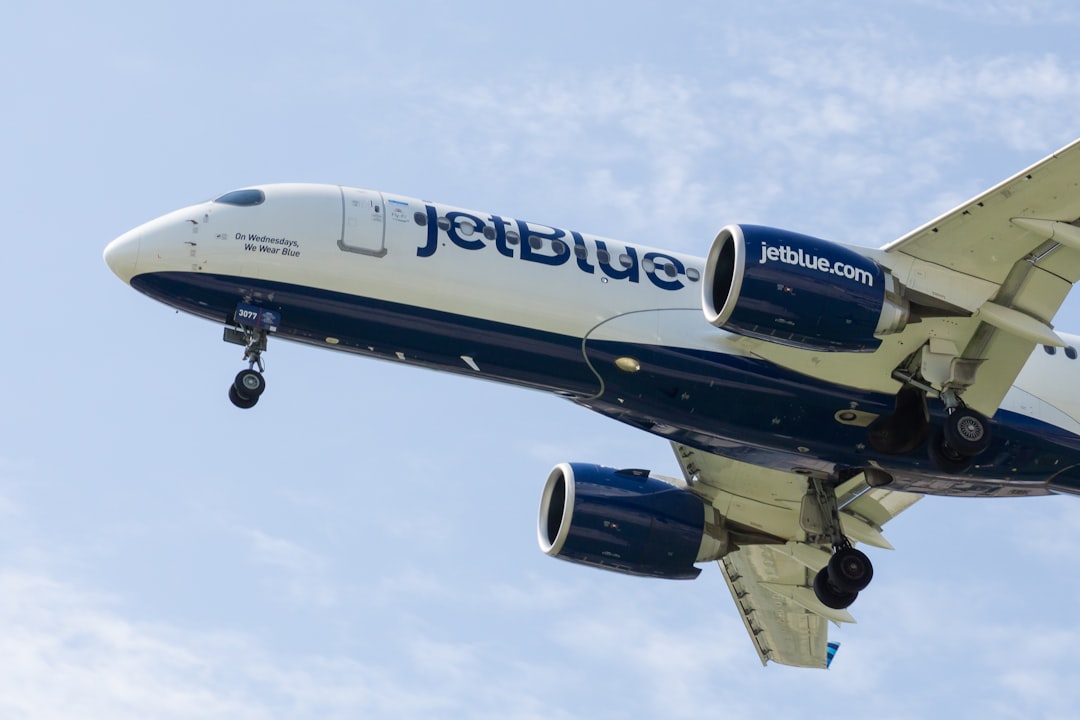
If JetBlue is your go-to airline, you already know the value of its low-cost routes, extra legroom options, and no-fee change policy. But the rewards you earn in the air are only part of the picture. The JetBlue Plus Card lets you stack up TrueBlue points on the ground — at restaurants, grocery stores, and everywhere else — so your next flight or vacation package is closer than you think.
This guide breaks down exactly how the JetBlue Plus Card works, what it costs, who benefits most from carrying it, and how to get the most out of every swipe.
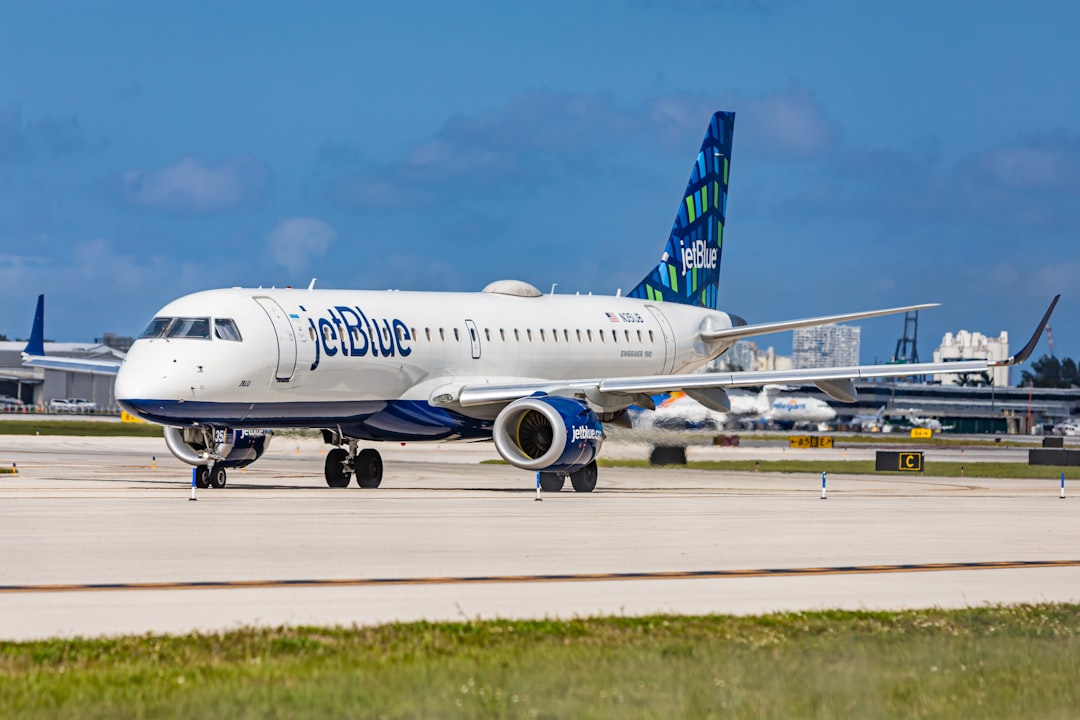
JetBlue Plus Card at a Glance
The JetBlue Plus Card carries a $99 annual fee and earns TrueBlue points across three spending tiers:
- 6x points on JetBlue purchases (flights, vacation packages, and in-flight purchases)
- 2x points at restaurants and grocery stores
- 1x point on all other eligible purchases
Beyond the earning structure, the card includes a free first checked bag for you and up to three companions on the same reservation — a benefit that can quickly offset the annual fee on its own. It also comes with a welcome bonus for new cardholders who meet the spending requirement in the first few months, though the exact offer can vary, so always check the current terms before applying.
The Free Checked Bag: Your Fastest Path to Value
Let's do the math. JetBlue typically charges a fee for a checked bag each way. If you fly roundtrip just twice a year and check a bag each time, you've already saved more than the card's $99 annual fee — without earning a single point. Add a travel companion on those trips, and the savings multiply further.
For families or couples who travel together, this benefit alone can justify keeping the card year after year. It's one of the clearest examples of a travel perk that delivers real, tangible dollar value rather than theoretical rewards you may never redeem.
How TrueBlue Points Work
JetBlue's TrueBlue loyalty program is straightforward compared to many airline programs. Points don't expire as long as you earn or redeem at least once every 12 months, and there are no blackout dates — you can use your points on any available seat.
TrueBlue points are redeemable for JetBlue flights and vacation packages. The value per point can vary depending on the route and fare type, but the program is generally considered transparent and traveler-friendly. You can also pool points with family members, which makes it easier to accumulate enough for a redemption faster than flying solo.
If you want to understand the broader mechanics of how airline and hotel point programs work before diving in, How Credit Card Rewards Actually Work is a solid primer on points, miles, and cash back systems.
Who Should Carry the JetBlue Plus Card?
Frequent JetBlue Flyers
This is the most obvious fit. If you fly JetBlue several times a year — whether for business or leisure — the 6x earning rate on JetBlue purchases is among the highest category bonuses you'll find on an airline co-branded card. Every flight, every vacation package, and every in-flight snack earns at that elevated rate.
East Coast and Sun Belt Travelers
JetBlue has a strong route network connecting the Northeast, Florida, California, the Caribbean, and Latin America. If you live near a JetBlue hub — Boston, New York, Fort Lauderdale, Long Beach, or Orlando — the card makes particular sense because your most common travel routes are well-served by the airline.
Everyday Spenders Who Dine Out or Grocery Shop
Even when you're not flying, the 2x points at restaurants and grocery stores keep you earning toward your next redemption. For cardholders who regularly spend in these categories, the JetBlue Plus Card can accumulate points at a competitive pace throughout the year, not just around travel seasons.
Budget-Conscious Travelers
JetBlue is known for competitive base fares, and pairing those fares with free checked bags and points redemptions keeps total travel costs down. If you're trying to travel on a budget without giving up comfort, this card aligns well with that strategy.

Maximizing the JetBlue Plus Card
Book Directly Through JetBlue
Always book your JetBlue flights and vacation packages through JetBlue's website or app to ensure your purchase codes correctly and you earn the full 6x rate. Third-party booking sites may not trigger the elevated multiplier.
Use It for Restaurants and Groceries Consistently
The 2x rate on restaurants and grocery stores is meaningful if you use the card consistently in those categories. Consider making it your default card for dining out and supermarket runs. Over a year of regular use, this adds up to a material number of additional points.
Pool Points With Family
TrueBlue's Family Pooling feature lets you combine points from up to seven family members into one account. If multiple household members carry the JetBlue Plus Card or fly JetBlue, pooling can accelerate redemptions significantly — getting your entire family to a free flight faster than individual accounts would allow.
Time Your Application Around a Bonus Offer
Welcome bonuses on co-branded airline cards tend to vary seasonally. When evaluating the card, check the current offer and compare it to recent promotions. A higher welcome bonus can provide a strong head start on your TrueBlue balance.
Pay Your Balance in Full
Like all travel rewards cards, the JetBlue Plus Card carries an APR that applies to any balance you carry month to month. Interest charges can quickly erode the value of the points you earn. To get genuine value from this card, treat it as a rewards vehicle — charge what you'd spend anyway and pay the full balance each billing cycle. If you need a refresher on how this works, How to Maximize Credit Card Rewards covers this strategy in depth.
How It Compares to Other Travel Cards
The JetBlue Plus Card occupies a specific niche: it's a mid-tier airline co-branded card with a $99 annual fee, strong brand-specific earning, and practical travel perks. It's worth considering how it fits into the broader landscape.
Hotel co-branded cards like the Marriott Bonvoy Boundless follow a similar structure — a modest annual fee, elevated points at the brand, and practical perks like free night awards — but serve lodging loyalists rather than flyers. If your travel spending splits across airlines and hotels, it's worth thinking through which loyalty ecosystem delivers more value for your specific habits.
General travel cards like the Capital One Venture X earn flexible miles on all purchases and aren't tied to one airline's ecosystem, which suits travelers who don't have a single preferred carrier. The trade-off is that co-branded cards like the JetBlue Plus Card offer deeper perks — like the free checked bag — within their ecosystem that flexible cards typically don't replicate.
If you're still weighing the broad question of points versus cash back, Cash Back vs. Travel Rewards walks through the key considerations for each approach.
Is the $99 Annual Fee Worth It?
For a dedicated JetBlue flyer, the math tends to work in the card's favor quickly. The free first checked bag alone can cover the annual fee in one or two roundtrip flights. Stack on top of that the points earned at 6x on JetBlue, 2x on dining and groceries, and the welcome bonus for new cardholders, and the card generates meaningful value for anyone who flies the airline regularly.
The cardholders for whom it makes less sense are those who fly JetBlue only occasionally, live far from a JetBlue hub, or prefer a card that earns flexible rewards usable across multiple airlines and programs. For those travelers, a more flexible travel card or even a strong cash back card might better match their spending patterns.
Final Thoughts
The JetBlue Plus Card is a well-constructed loyalty card for travelers who fly JetBlue consistently. The 6x earning rate on JetBlue purchases is a standout, the free checked bag is a tangible, recurring benefit, and the 2x rate at restaurants and grocery stores keeps points accumulating between trips. At $99 a year, it's priced accessibly for a co-branded airline card, and for the right traveler, the value proposition is clear.
If you're a JetBlue loyalist looking to stretch your travel budget further — through free bags, faster points accumulation, and straightforward redemptions — the JetBlue Plus Card deserves a serious look.

Ethan Kowalski
Personal finance writer based in Chicago, focused on credit cards, rewards programs, and consumer banking.