How to Balance Paying Off Debt and Saving at the Same Time
Learn how to pay down debt and build savings simultaneously with practical strategies that work for any budget and financial situation.

One of the most common financial dilemmas Americans face is this: should you throw every spare dollar at your debt, or should you be building your savings at the same time? The answer, perhaps unsurprisingly, is that you often need to do both — and doing so strategically makes a measurable difference in your long-term financial health.
This guide breaks down how to strike the right balance, prioritize intelligently, and make steady progress on both fronts without feeling like you're spinning your wheels.

Why You Shouldn't Wait Until Debt Is Gone to Start Saving
A common instinct is to delay any form of saving until all debts are paid off. The logic seems sound — why earn 4% in a savings account when you're paying 20% APR on credit card debt? But this all-or-nothing approach has a significant flaw: it leaves you financially vulnerable.
Without any cash reserves, a single unexpected expense — a car repair, a medical bill, a broken appliance — forces you right back into debt. You end up in a cycle of paying down debt only to charge it back up again when life happens. Building even a small buffer prevents this trap.
Additionally, if your employer offers a 401(k) match, not contributing means you're leaving free money on the table. A 50% or 100% match is an instant guaranteed return that almost always outweighs the cost of carrying moderate-interest debt.
The Framework: Prioritize by Interest Rate and Purpose
Not all debt is equal, and not all savings goals are equal. The key to balancing both is to prioritize based on the math and the purpose of each.
Step 1: Build a Starter Emergency Fund First
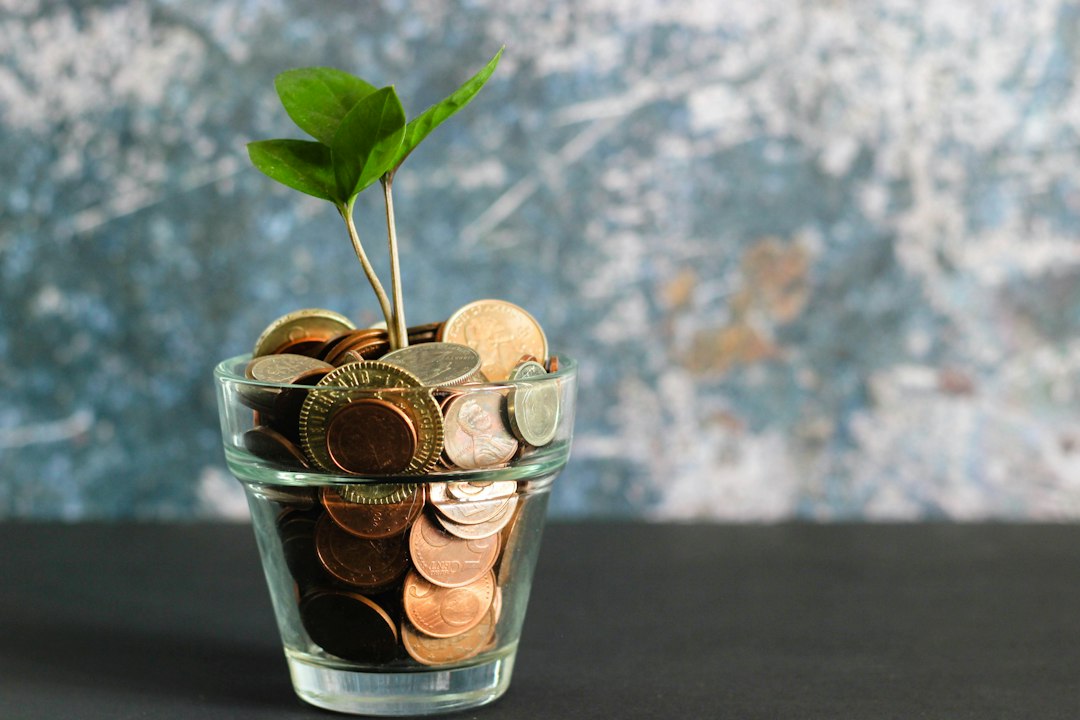
Before aggressively tackling debt, build a small emergency cushion — commonly suggested at $1,000 to $2,000. This isn't your full emergency fund; it's a firewall that prevents new debt from piling on while you work your way out of the current hole.
Keep this money in a high-yield savings account that's accessible but separate from your checking account. The psychological distance helps prevent casual spending. Once your debt is paid off, you'll build this into a full three-to-six-month emergency fund.
Step 2: Capture Any Employer 401(k) Match
If your employer matches contributions to your retirement account, contribute at least enough to capture the full match before directing extra money toward debt. This is effectively a 50% to 100% return on your contribution — almost no debt carries an interest rate that high. Don't skip this step regardless of your debt situation.
Step 3: Tackle High-Interest Debt Aggressively
High-interest debt — typically anything above 7% to 8% APR — should be your primary financial target after the basics above are covered. Credit card balances that carry interest charges in the double digits are wealth destroyers. Every dollar you keep in debt costs you money every single month.
Two common strategies work well here:
- Avalanche method: Pay minimums on all debts, then put every extra dollar toward the highest-interest balance. Mathematically optimal — you pay less total interest.
- Snowball method: Pay minimums on all debts, then attack the smallest balance first regardless of interest rate. Psychologically powerful — quick wins keep you motivated.
Choose the approach you'll actually stick with. The best strategy is the one you follow consistently.

Step 4: Split Extra Money Between Debt and Savings
Once high-interest debt is under control — or if your debt is lower-interest, like a federal student loan or auto loan — consider splitting any surplus income between debt repayment and savings goals. A common approach is to allocate 70% to debt and 30% to savings, though the right ratio depends on your interest rates and timeline.
This split approach keeps you moving forward on both goals. You're reducing your debt load while also building wealth, which creates compounding momentum over time.
Practical Tips for Freeing Up Cash to Do Both
Balancing debt and savings isn't just a mathematical exercise — it requires finding or creating cash flow. Here are proven ways to generate the room you need.
Review Subscriptions and Recurring Expenses
Most households have subscriptions they've forgotten about. Audit your bank and credit card statements monthly and cancel anything you're not actively using. Even freeing up $40 to $80 per month creates meaningful progress when directed deliberately.
Automate Everything
Automation removes willpower from the equation. Set up automatic transfers to your savings account on payday, before you have a chance to spend that money elsewhere. Set up automatic extra payments toward your highest-interest debt. Simple saving strategies that run on autopilot are consistently more effective than manual discipline.
Use Windfalls Strategically
Tax refunds, bonuses, and gifts represent an opportunity. Rather than absorbing them into everyday spending, split windfalls according to your priority framework: emergency fund first, then debt, then savings. A disciplined response to unexpected income can accelerate your timeline significantly.
Reduce the Cost of Existing Debt
If you're carrying high-interest credit card debt, look into balance transfer options that offer a 0% introductory period. Reducing the interest rate on your debt means more of each payment goes toward principal rather than interest charges — effectively giving you more money to work with without earning more income.

Credit Cards: Part of the Problem or Part of the Solution?
Credit cards often contribute to debt, but they can also be used strategically once you're on stable footing. Understanding how credit card rewards actually work can help you turn everyday spending into genuine value — whether that's cash back that offsets monthly costs or points that reduce travel expenses.
If you're actively carrying a balance and paying interest, rewards programs offer little benefit — the interest charges will far outweigh any cash back or points earned. First, eliminate the revolving balance. Then, use a rewards card responsibly and pay it in full each month.
For those who've stabilized their finances, a no-annual-fee cash back card can deliver real value on routine spending. Cards that earn rewards on groceries, dining, or gas can return a meaningful amount annually when used for planned purchases and paid in full. If you're not sure which direction makes sense for your spending habits, comparing cash back and travel rewards strategies can help clarify the decision.
How to Know When to Shift Your Focus
As your financial picture changes, your allocation strategy should too. Here are signals that it's time to shift more toward saving:
- Your remaining debt carries an interest rate below 5% — at that point, investing may mathematically outperform accelerated payoff
- Your emergency fund is still below three months of expenses
- You have a near-term savings goal — a home purchase, a car, or a major expense — with a fixed timeline
And here are signals to shift more toward debt repayment:
- You're being charged double-digit interest on any balance
- Minimum payments are consuming a large portion of your monthly budget
- The emotional weight of debt is affecting your quality of life
There's no single formula. The right balance shifts as your debts shrink, your savings grow, and your income changes.
The Bottom Line
Paying off debt and saving money aren't mutually exclusive — they're complementary parts of a healthy financial life. The goal is to make intentional, prioritized decisions with every dollar rather than letting your money drift where it may.
Start with a small emergency fund. Capture any employer match. Attack high-interest debt with focus. Then gradually shift more toward savings and long-term wealth building as the debt load decreases.
Progress on both fronts, even if it feels slow at first, compounds into financial stability faster than most people expect. The key is to start — and to keep the system running automatically so that every paycheck moves you forward without requiring constant effort.
For a deeper look at using credit wisely during this process, see our guide on how to use a credit card without going into debt — a critical skill for anyone working toward financial freedom.

Lauren Hartwell
Brooklyn-based money management columnist covering budgeting, saving, and everyday financial habits.