How to Choose Your First Credit Card: A Practical Guide for Beginners
Choosing your first credit card? Learn what to look for in fees, rewards, APR, and credit requirements to find the best fit for your financial goals.
Choosing your first credit card is one of the most important financial decisions you'll make as a young adult or someone new to credit. With dozens of options out there, it's easy to feel overwhelmed. Should you prioritize cash back? Worry about annual fees? What even is APR? This guide breaks it all down so you can walk into your first credit card decision with confidence.

Why Your First Credit Card Matters More Than You Think
Your first credit card isn't just a spending tool — it's the foundation of your credit history. In the United States, your credit profile is tracked by the three major bureaus: Equifax, Experian, and TransUnion. The scores they generate, including your FICO score, influence everything from apartment approvals to auto loan rates to mortgage eligibility down the road.
Opening a credit card and using it responsibly — paying on time, keeping your balance low — is one of the fastest ways to build a positive credit history. That's why the card you choose matters. A card with a high APR and confusing terms can easily lead to debt if you're not careful, while the right beginner card can set you up for long-term financial health.
Step 1: Know Where You Stand Credit-Wise
Before you apply for any card, check your credit score. If you've never had a credit account, you likely have no score yet — that's normal. Many first-time applicants fall into one of two categories:
- No credit history: You'll need a card designed for beginners, sometimes called a starter or student card, or a secured card that requires a deposit.
- Fair credit (roughly 580–669): You may qualify for entry-level unsecured cards with modest rewards.
Knowing your starting point prevents unnecessary hard inquiries on your credit report, which can temporarily lower your score. The CFPB (Consumer Financial Protection Bureau) recommends only applying for credit you're reasonably likely to be approved for.
Step 2: Understand the Key Terms Before You Compare Cards
Annual Percentage Rate (APR)
APR is the interest rate you'll pay on any balance you carry from month to month. If you pay your statement balance in full every month, APR is essentially irrelevant. But if you ever carry a balance, even once, a high APR can turn a small purchase into a lingering debt. As a beginner, aim to pay in full every month and treat your credit card like a debit card — only spend what you already have in your bank account.
Annual Fee
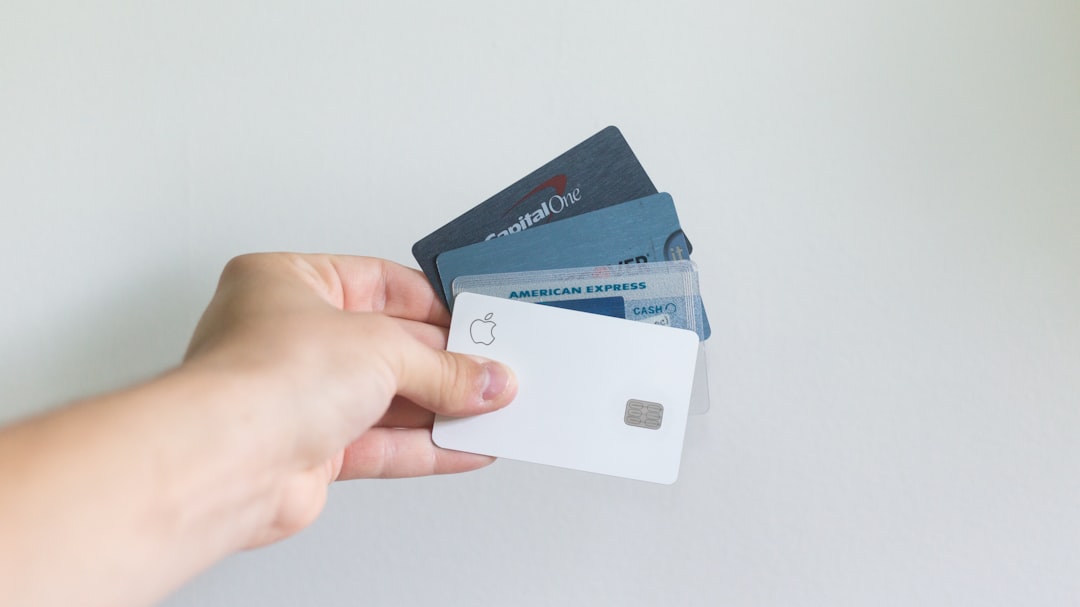
Some cards charge a yearly fee just to have them. For your first card, a $0 annual fee is almost always the smartest choice. There's no reason to pay for a card before you've built enough credit history to qualify for premium benefits. Several strong cards on the market — including the Apple Card, Capital One Savor, Citi Custom Cash, and Discover it Chrome — carry no annual fee at all.
Credit Limit
Your credit limit is the maximum you can charge to the card. As a new cardholder, your initial limit will likely be low. That's fine. What matters is your credit utilization ratio — the percentage of your available credit you're using. Experts recommend keeping utilization below 30%, ideally below 10%, to protect your score.
Rewards and Cash Back
Many beginner cards offer rewards, but don't let a flashy sign-up bonus distract you from the basics. Rewards are a bonus, not the point. That said, if you're going to spend money anyway, earning something back is a smart perk. Understanding the difference between cash back and travel rewards can help you choose a structure that actually fits your lifestyle.
Step 3: Match the Card to Your Spending Habits
The best first credit card isn't necessarily the most popular one — it's the one that rewards how you actually spend money.
If You Spend Most on Everyday Purchases
The Citi Custom Cash is a compelling option: it earns 5% cash back on your top eligible spending category each billing cycle (up to a monthly cap), then 1% on everything else — with no annual fee. If your biggest monthly expense is groceries one month and gas the next, this card adapts automatically. It's one of the smartest "set it and forget it" options for new cardholders.
If You Spend at Restaurants and Grocery Stores
The Capital One Savor earns 3% cash back on dining, entertainment, popular streaming services, and grocery stores, with 1% on all other purchases — and it charges no annual fee. For a college student or young professional who eats out regularly or cooks at home, that's a meaningful return on spending you were going to do anyway.
If You Want Simple, Flat-Rate Rewards
The Discover it Miles earns 1.5x miles on every purchase with no annual fee. Its standout feature for first-timers is the first-year Mile Match: Discover matches all the miles you've earned at the end of your first year. If you earn 20,000 miles, you end the year with 40,000. It's one of the most beginner-friendly introductory offers available, with no complex category tracking required.
If You Drive a Lot or Eat Out Often
The Discover it Chrome earns 2% cash back at gas stations and restaurants (with a combined quarterly cap), and 1% on everything else — with no annual fee. It also features the first-year Cashback Match. Simple, practical, and cost-free to carry.
Step 4: Watch Out for Common First-Timer Mistakes
Applying for Too Many Cards at Once
Each application triggers a hard inquiry on your credit report. Multiple applications in a short period can signal risk to lenders and temporarily lower your score. Start with one card, use it responsibly for six to twelve months, and then consider expanding your wallet.
Only Paying the Minimum
Credit card statements show a "minimum payment due" — often just $25 or 1–2% of your balance. Paying only the minimum means the rest of your balance accumulates interest at the card's full APR. Always pay your full statement balance when possible. If you can't, pay as much above the minimum as you can and make it a priority to eliminate the balance quickly.
Ignoring Your Statement
The CFPB encourages consumers to review their credit card statements monthly for unauthorized charges or billing errors. Under the Fair Credit Billing Act, you have rights to dispute errors — but you need to catch them first. Set up alerts through your card's mobile app so you're notified of every transaction.
Closing the Card Too Soon
One important factor in your FICO score is the length of your credit history. Closing your first card — even if you later get a better one — can shorten your average account age and potentially lower your score. In most cases, it's better to keep a no-annual-fee card open even if you're not actively using it.
Step 5: Build Good Habits from Day One
The rewards and perks of any credit card are secondary to the habits you build. Here's the beginner's checklist for responsible credit card use:
- Pay your statement balance in full every month — no exceptions if you can help it.
- Set up autopay for at least the minimum to avoid missed payment fees and credit score damage.
- Keep your utilization below 30% of your credit limit.
- Check your credit report regularly at AnnualCreditReport.com, which is the official FDIC-endorsed free resource.
- Don't spend more on credit than you have in your checking account.
Once you've used your first card responsibly for a year or more, you'll have a stronger credit profile — and you'll be in a much better position to evaluate premium cards with travel perks, elevated rewards, or higher credit limits. Comparing cash back versus travel rewards becomes a much more exciting decision when you've already laid the groundwork.
The Bottom Line
Your first credit card should be simple, affordable to carry, and aligned with how you actually spend money. Prioritize a $0 annual fee, a manageable APR, and rewards that match your lifestyle. Cards like the Citi Custom Cash, Capital One Savor, Discover it Chrome, and Discover it Miles are all strong starting points depending on your habits — none of them cost you a dime to carry, and all of them reward responsible use.
Above all, remember that the card itself isn't what builds your credit — your behavior with it does. Pay on time, stay well below your limit, and think of your credit card as a financial tool, not free money. Start right, and you'll thank yourself for years to come.

Lauren Hartwell
Brooklyn-based money management columnist covering budgeting, saving, and everyday financial habits.