How to Create a Budget That Actually Works: A Step-by-Step Guide
Learn how to build a personal budget that sticks. Practical methods, real strategies, and tips to help you manage money and reach your financial goals.

Budgeting has a reputation problem. Most people associate it with restriction, spreadsheets, and constant guilt. In reality, a well-designed budget is the opposite — it's a plan that gives you permission to spend on what matters while making sure the bills get paid and your savings actually grow. The trick is building a system that fits your life, not someone else's ideal.
This guide walks you through the most effective budgeting methods, how to choose the right one, and how to make it stick for the long term.
Why Most Budgets Fail — and How to Avoid the Traps
Before building your budget, it helps to understand why so many people abandon theirs within a few weeks. The most common pitfalls are:
- Being too rigid: A budget that allows zero flexibility will break the moment life happens — a birthday dinner, a car repair, an impulse buy. Rigid budgets breed guilt, which breeds avoidance.
- Underestimating expenses: People consistently forget irregular costs like annual subscriptions, quarterly insurance premiums, or back-to-school supplies. If these aren't in your plan, your plan breaks.
- Not tracking at all: A budget you write once and never revisit is just a wish list. The power is in the regular check-in, not the initial setup.
- Starting with the wrong method: A zero-based budget works brilliantly for detail-oriented planners and terribly for people who hate tracking every dollar. Fit the method to your personality.
Step 1: Know Your Real Numbers
Before you can budget, you need an honest picture of your current finances. Gather the following:
- Monthly take-home income: What lands in your bank account after taxes and deductions — not your gross salary.
- Fixed expenses: Rent or mortgage, car payment, insurance premiums, loan minimums, subscriptions. These don't change month to month.
- Variable expenses: Groceries, dining out, gas, entertainment, clothing. These fluctuate but are predictable with a little history.
- Irregular expenses: Annual fees, car registration, holiday gifts, medical co-pays. Divide these by 12 and include them as a monthly line item.
Pull three months of bank and credit card statements. This removes the temptation to guess — and most people are surprised by what they find.
Step 2: Choose a Budgeting Method
There is no single correct way to budget. The best method is the one you'll actually use. Here are the four most effective frameworks:
The 50/30/20 Rule
Divide your take-home income into three buckets: 50% for needs (rent, utilities, groceries, minimum debt payments), 30% for wants (dining, entertainment, travel), and 20% for savings and extra debt repayment. This method is ideal for beginners because it's simple, flexible, and forgiving. If your rent alone consumes more than 50%, adjust the percentages — the framework is a guide, not a law.
Zero-Based Budgeting
Every dollar of income is assigned a job until the balance reaches zero — income minus all expenses, savings, and debt payments equals $0. This doesn't mean you spend everything; it means every dollar has a destination. This approach is powerful for people who want maximum control and are willing to track closely. Apps like YNAB (You Need a Budget) are built around this philosophy.
The Pay-Yourself-First Method
Move a predetermined amount into savings or investments the moment your paycheck arrives — before you pay any other bill. Whatever remains is yours to spend however you choose. This method works exceptionally well for people who struggle to save at the end of the month because there's never anything left. By automating transfers on payday, the decision is made for you.
Envelope Budgeting
Allocate cash — literally or digitally — into labeled envelopes for each spending category. When the envelope is empty, spending in that category stops. Digital versions of this method exist in several budgeting apps. It's particularly useful for controlling discretionary spending like dining and entertainment.
Step 3: Build Your Budget
Once you've chosen a method, build your first budget using last month's numbers as a baseline. Here's a practical sequence:
- List your monthly take-home income at the top.
- Subtract all fixed expenses first — these are non-negotiable.
- Estimate variable expenses based on your statement history.
- Add a line for irregular expenses (monthly average).
- Add savings goals: emergency fund, retirement contributions, specific targets.
- If the math doesn't work, look at variable and discretionary spending for cuts.
Don't forget debt repayment. If you're carrying credit card balances, understanding how APR and credit card interest actually work can help you prioritize which balances to attack first and how much interest you're really paying each month.
Step 4: Automate What You Can
The fewer financial decisions you have to make manually, the fewer you'll skip. Set up automatic transfers for:
- Savings contributions (on payday, not at month-end)
- Retirement account contributions if not already handled by your employer
- Minimum debt payments — at minimum, these should never be late
- Utility bills and subscriptions where possible
Automation protects you from yourself on bad days, busy weeks, and moments when spending feels more appealing than saving.
Step 5: Track and Adjust Monthly
A budget is a living document. At the end of each month, compare what you planned to what actually happened. Don't judge — analyze. Which categories ran over? Were they one-time events or patterns? Did you forget to include something?
Monthly reviews take 15–20 minutes and are the single most important habit in making a budget stick. They also become faster and easier once you've been doing it for a few months.
Integrating Credit Cards into Your Budget
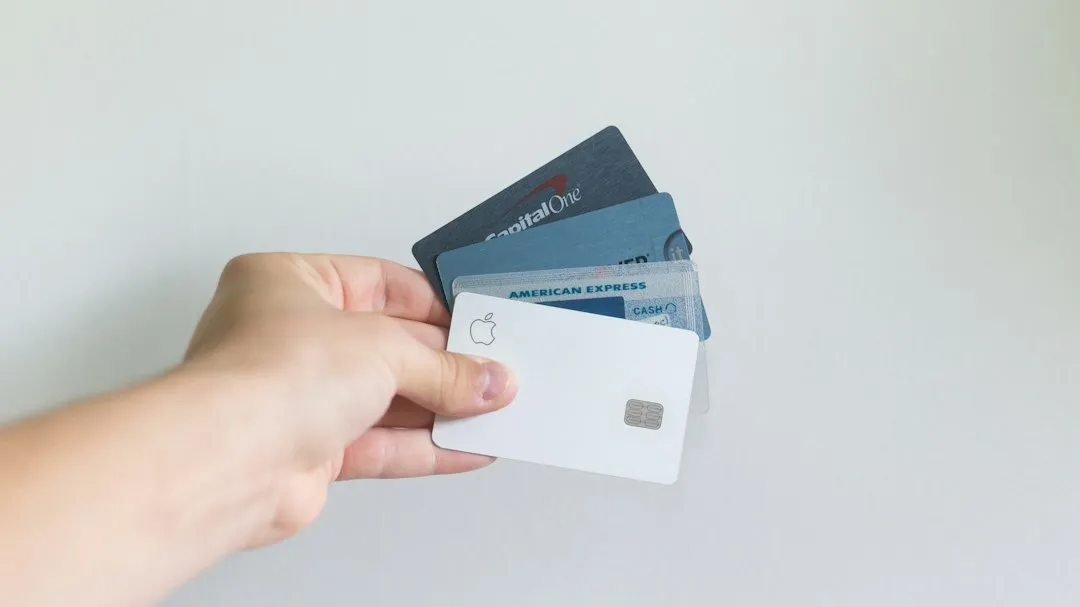
Credit cards and budgets work extremely well together — when you treat card spending as money already spent, not money borrowed. The key rule: only charge what you've already budgeted, and pay the full balance every month.
When used this way, credit cards add value on top of your budget rather than undermining it. For example, if dining and entertainment are major budget categories for you, a card like the Capital One Savor earns 3% cash back on dining, entertainment, popular streaming services, and grocery stores — turning planned spending into automatic rewards at no annual fee. For variable everyday purchases across categories, the Citi Custom Cash automatically earns 5% back on your top eligible spending category each billing cycle, which pairs naturally with however your budget is weighted that month.
The critical discipline: always budget the full purchase amount, not the net-after-rewards amount. Rewards are a bonus — not a discount you spend in advance.
If you're currently carrying debt, the priority should be paying it down before optimizing for rewards. A solid plan for paying off debt faster can free up significant monthly cash flow that makes every other part of your budget easier.
Common Budget Line Items People Forget
Even careful budgeters miss categories that quietly blow their plans. Add these if they're not already in your budget:
- Annual subscriptions (streaming, software, memberships)
- Vehicle maintenance (oil changes, tires, registration)
- Medical and dental out-of-pocket costs
- Gifts (holidays, birthdays, weddings)
- Pet care
- Home repairs and maintenance (budget 1% of home value per year)
- Personal care (haircuts, gym, toiletries beyond groceries)
When Your Budget Doesn't Balance
If your expenses exceed your income after building your budget, you have two levers: increase income or decrease spending. Most people focus exclusively on cutting, but both sides of the equation matter. Short-term, look for discretionary spending you can reduce. Long-term, skills development, side income, or a job change can move the needle more significantly than any expense cut.
Also revisit your savings rate. While building a solid emergency fund is a priority, it's acceptable to start smaller and build up gradually if cash is genuinely tight. Even $25 a month is better than zero — the habit matters as much as the amount at the start.
Final Thoughts: The Budget Is a Tool, Not a Prison
A budget that works is one that reflects your actual values and real life. It doesn't need to be perfect in month one. It needs to be honest, flexible enough to survive real life, and reviewed often enough to stay accurate. The goal isn't to track every dollar forever — it's to understand your money well enough that you can make confident decisions about it.
Start simple, automate the important stuff, and review monthly. That combination, practiced consistently, is more powerful than any budgeting app, spreadsheet, or financial hack you'll find online.

Lauren Hartwell
Brooklyn-based money management columnist covering budgeting, saving, and everyday financial habits.