How to Stop Impulse Spending: Practical Tactics to Keep More of Your Money
Learn why impulse spending happens and how to stop it with proven tactics like waiting periods, spending triggers, and smarter card habits to keep more cash.
You walk into a store for paper towels and walk out with a new jacket, a candle, and a gadget you never knew you needed. Sound familiar? Impulse spending is one of the quietest budget killers in personal finance. No single purchase feels like a big deal, but together they can drain hundreds of dollars a month. The good news is that impulse spending is a habit, not a character flaw, and habits can be changed with the right system.

Why We Spend on Impulse
Understanding the trigger is half the battle. Impulse purchases are rarely about the item itself. They are usually about the feeling the purchase promises: relief from stress, a small reward after a hard day, excitement, or even a fear of missing out on a limited-time deal.
Retailers know this and design everything around it. Countdown timers, "only 3 left in stock" banners, one-click checkout, free-shipping thresholds, and saved payment details are all built to shorten the gap between wanting and buying. Your job is to deliberately lengthen that gap.
The Most Common Triggers
- Emotional states: boredom, stress, sadness, or even celebration.
- Digital friction removal: saved cards, buy-now buttons, and app notifications.
- Social pressure: social media ads, influencer recommendations, and friends' purchases.
- Sales psychology: artificial urgency, "limited edition" labels, and discounts that make you feel you are saving money while you spend it.
Step 1: Find Out What Your Impulse Spending Actually Costs
You cannot fix what you cannot see. Start by reviewing the last 60 to 90 days of bank and card statements and highlight every purchase that was unplanned. Group them into categories such as food delivery, clothing, home goods, subscriptions, and small online buys.
Most people are surprised by the total. If you want a structured way to do this, our guide on auditing your spending walks through the process in detail. Once you have a number, you have a target. Even cutting that figure in half can free up real money for savings or debt payoff.

Step 2: Use a Waiting Period
The single most effective impulse-control tactic is time. Impulse urges fade quickly, often within minutes or hours. A waiting period gives the urge a chance to pass.
The 24-Hour and 30-Day Rules
- 24-hour rule: For any unplanned purchase under a threshold you set (say $50), wait a full day before buying.
- 72-hour rule: For mid-range purchases, wait three days.
- 30-day list: For larger wants, write the item on a list with the date. If you still want it after 30 days and it fits your budget, buy it.
You will find that a large share of items on your list lose their appeal. The ones that survive are usually the ones worth buying.
Step 3: Add Friction Back Into Spending
Retailers remove friction; you can put it back. Small obstacles make a big difference.
- Delete saved payment details from shopping sites and browsers so you must type in the card number each time.
- Remove shopping apps from your phone's home screen, or delete them entirely.
- Unsubscribe from promotional emails and turn off push notifications from retailers.
- Unfollow accounts that make you feel like you need something new.
- Leave your cart full. Add items you want, then close the tab and revisit tomorrow.

Step 4: Give Your Wants a Planned Outlet
Strict budgets with zero room for fun tend to fail. Deprivation builds up, and then you binge. A smarter approach is to build a small, guilt-free "fun money" category into your budget. When that money is gone, it is gone until next month.
This works especially well alongside a framework like the 50/30/20 rule, where a defined portion of your income is reserved for wants. Spending within that limit is not impulse spending. It is planned enjoyment.
For recurring but irregular expenses such as gifts, holidays, and car repairs, a sinking fund prevents these from showing up as surprise "impulse" hits to your budget.
Step 5: Make Your Credit Card Work for You, Not Against You
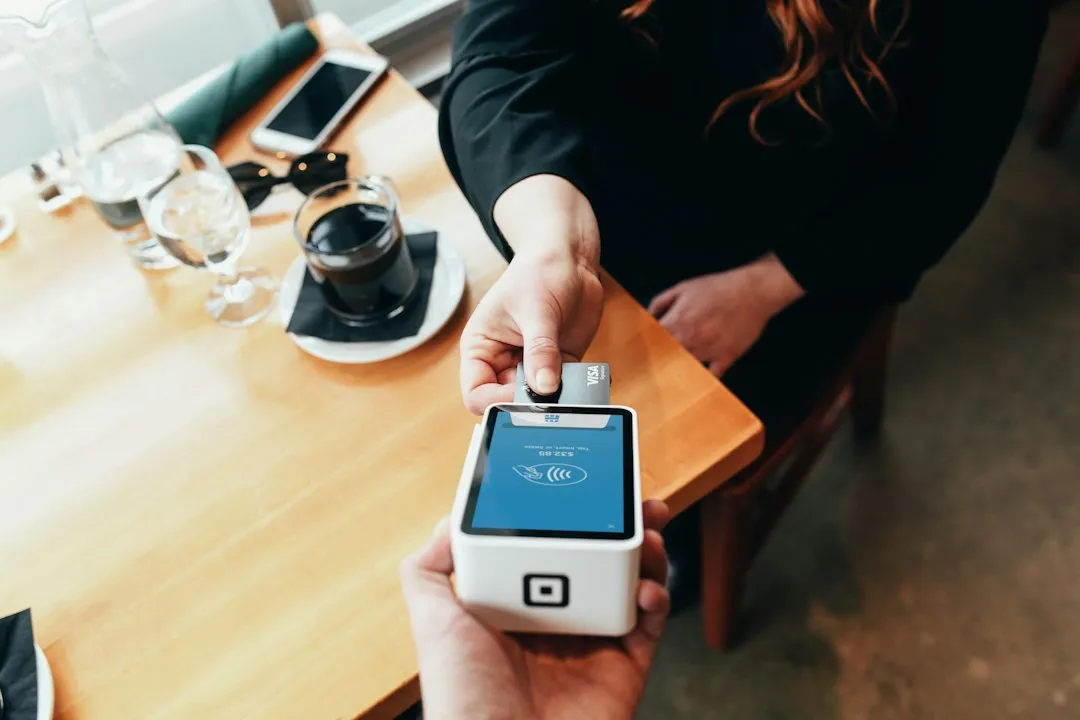
Credit cards make impulse buying easier because the pain of paying is delayed. A card can still be a powerful tool if you set guardrails.
Smart Guardrails
- Set spending alerts in your card's app so you see every transaction in real time.
- Pay the statement balance in full every month so impulse buys never turn into interest charges. Our guide on managing credit card payments and due dates covers how to automate this.
- Keep one card for planned spending and avoid using it for browsing-driven purchases.
- Pick a card whose rewards match your real spending so you are not tempted to chase bonus categories you would not otherwise use.
Rewards can be a useful nudge toward intentional spending. For example, the Capital One Savor earns 3% cash back on dining, entertainment, popular streaming services, and grocery stores, with 1% on everything else and no annual fee. If groceries and dining are already in your budget, a card like that rewards spending you were going to do anyway. The key is that rewards should never be a reason to spend more. A 3% reward on a purchase you did not need is still a 97% loss.
Step 6: Separate Your Money Automatically
Money that is out of sight is harder to spend. Set up automatic transfers on payday to move savings and bill money out of your checking account before you can touch it. What remains is your true spending money.
Consider keeping your savings in a separate account, ideally a high-yield savings account at an FDIC-insured institution, so the transfer feels like a real wall rather than a suggestion. If you need help getting started, see our walkthrough on choosing and using a high-yield savings account.
Step 7: Replace the Habit, Not Just the Purchase
If you shop when you are bored or stressed, simply telling yourself "don't" rarely works. You need a replacement behavior that meets the same emotional need.
- Bored: go for a walk, call a friend, or start a free hobby project.
- Stressed: try exercise, a hot shower, or a few minutes of deep breathing.
- Celebrating: plan a low-cost reward, like a favorite home-cooked meal.
- Tempted by a deal: remind yourself that saving 30% on something you did not plan to buy is still spending 70%.
Build Accountability
Tell a partner or friend about your goal, or share your 30-day wish list with them. Having someone to check in with adds a layer of accountability that willpower alone cannot match. Tracking your progress weekly, even for five minutes, keeps the habit visible. You can fold this into a weekly money routine so it becomes automatic.
What to Do When You Slip
You will make an impulse purchase eventually. Everyone does. The goal is progress, not perfection. When it happens, ask yourself what triggered it, log it, and check whether the item is returnable. Then move on without guilt. Shame often fuels more spending, so treat each slip as data that helps you refine your system.
The Bottom Line
Stopping impulse spending is not about never enjoying your money. It is about making sure your spending reflects your priorities rather than a marketer's clever timing. Know your triggers, add waiting periods, rebuild friction, plan for fun, and automate your savings. Do these consistently and you will likely find that the money you used to lose in small, forgettable purchases starts showing up where it matters: your emergency fund, your debt payoff, and your long-term goals.

Lauren Hartwell
Brooklyn-based money management columnist covering budgeting, saving, and everyday financial habits.