How to Read Your Credit Report: A Step-by-Step Guide to Spotting Errors and Protecting Your Score
Learn how to get your free credit reports, read every section, spot errors and fraud, and dispute mistakes so your credit history works in your favor.
Your credit report is the raw material behind every credit score you will ever have. Lenders, landlords, insurers, and even some employers look at it before they decide how to treat you. Yet most Americans have never read theirs from top to bottom. That is a missed opportunity, because errors are common, and a single mistake can raise your interest rates or get an application denied.
This guide walks through how to get your reports for free, what each section means, how to catch problems, and what to do when something is wrong. Reading your report is not complicated, and it costs nothing.
Credit Report vs. Credit Score: What's the Difference?
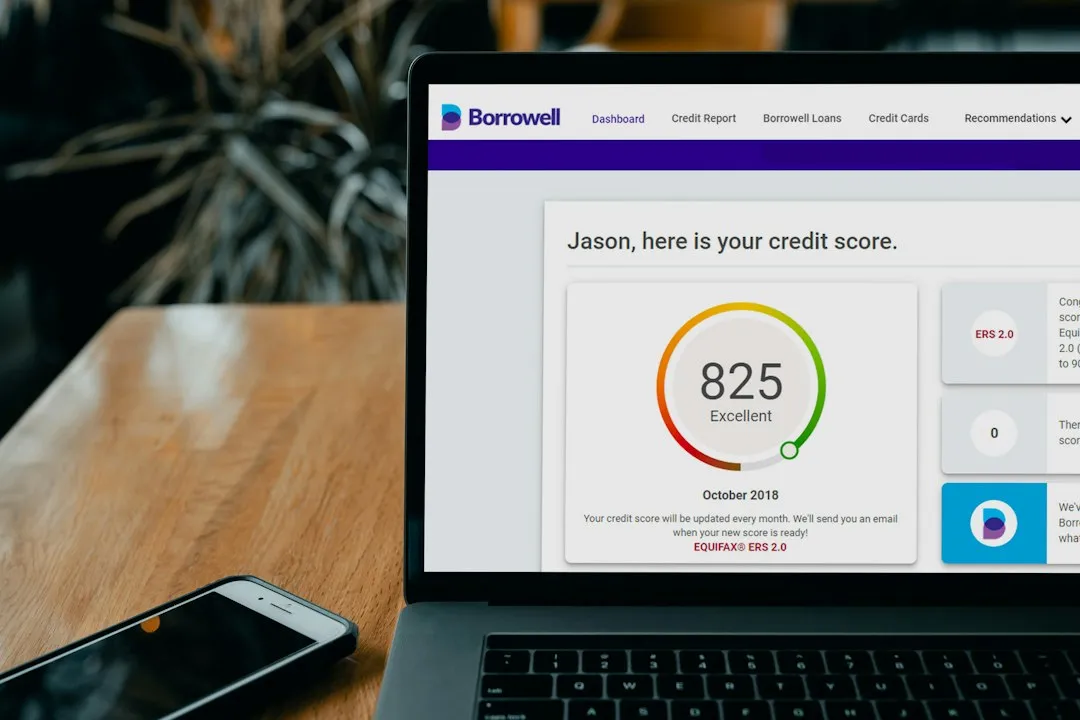
People often use these terms interchangeably, but they are different things. Your credit report is a detailed record of your borrowing history: accounts you have opened, how you have paid them, and who has checked your file. Your credit score is a three-digit number calculated from the information in that report.
Think of the report as the transcript and the score as the grade. If the transcript contains a mistake, the grade suffers. To understand how the grade itself is calculated, see our breakdown of how FICO scores work. This article focuses on the transcript, because that is where you have the power to fix things.
How to Get Your Free Credit Reports
In the United States, the three nationwide consumer reporting agencies are Equifax, Experian, and TransUnion. Each keeps its own file on you, and the information in each can differ slightly because not every lender reports to all three.
You are entitled to free reports, and the official source is AnnualCreditReport.com, the centralized site authorized under federal law and overseen by the Consumer Financial Protection Bureau (CFPB). Stick to that site. Look-alike websites exist, and some try to sell you subscriptions or collect personal data.
Tips for Pulling Your Reports
- Request all three. Because each bureau's data can differ, reviewing only one gives you an incomplete picture.
- Stagger them if you like. Some people pull one bureau every few months to monitor their file throughout the year. Others pull all three at once to get a complete baseline.
- Checking your own report is a soft inquiry. It does not hurt your score.
- Have your details ready. You will need to verify your identity with your Social Security number, address history, and answers to security questions.
The Four Main Sections of a Credit Report
Every report is organized a little differently, but they all contain the same core components. Here is what to look for in each.
1. Personal Information
This section lists your name, current and previous addresses, date of birth, Social Security number (usually partially masked), and sometimes employer information. It is not used to calculate your score, but it is your first fraud checkpoint.
Look for addresses you have never lived at, name variations you do not recognize, or employers you have never worked for. These can be early signs of identity theft or a mixed file, where someone else's information has been blended with yours.
2. Account History (Tradelines)
This is the heart of the report. Each credit card, auto loan, student loan, mortgage, or personal loan appears as a separate entry, called a tradeline. For each account you will typically see:
- The lender's name and account type
- The date you opened the account
- Your credit limit or original loan amount
- Your current balance
- Your payment history, usually shown month by month
- The account status, such as open, closed, or paid
Verify that every account belongs to you. Check that closed accounts are marked closed and that paid-off debts show a zero balance. Make sure no payment is marked late when you paid on time. Payment history is the biggest factor in most scoring models, so a wrongly reported late payment can do real damage.

3. Public Records and Collections
This section includes accounts sent to collections and certain public records such as bankruptcies. Collection accounts can stay on your report for years, so confirm that anything listed is accurate, belongs to you, and falls within the legal reporting window.
If you see a collection you do not recognize, do not ignore it. It could be a legitimate old debt, a case of mistaken identity, or fraud. Each possibility calls for a different response, which is why you should investigate before paying anything.
4. Hard Inquiries
Whenever you apply for credit, the lender typically pulls your report, and that appears as a hard inquiry. These can have a small, temporary effect on your score. Soft inquiries, such as checking your own report or a lender pre-screening you, are visible only to you and do not affect your score.
Scan the list of hard inquiries and ask yourself whether you recognize each one. An inquiry from a lender you never applied to is a red flag for identity theft.
Common Errors to Watch For
Mistakes happen more often than most people expect. Here are the issues worth hunting for:
- Accounts that are not yours, whether from fraud or a mixed file
- Incorrect late payments or delinquency statuses
- Wrong balances or credit limits, which can distort your credit utilization
- Duplicate accounts, such as the same debt listed twice by the original creditor and a collector
- Closed accounts shown as open, or accounts you closed in good standing reported as closed by the lender
- Outdated negative items that should have aged off your report
Pay special attention to balances and limits. Because your credit utilization is calculated from them, an incorrect limit can make your usage look higher than it really is and quietly pull your score down.
How to Dispute an Error
If you find a mistake, you have the right to dispute it. The process is straightforward:
- Gather evidence. Collect statements, payment confirmations, letters, or anything that proves the information is wrong.
- Dispute with the bureau. You can file online, by mail, or by phone with each bureau that shows the error. Describe the problem clearly and attach copies of your documentation, never originals.
- Dispute with the lender too. The company that furnished the information also has a duty to investigate and correct inaccurate data.
- Wait for the investigation. The bureau generally has about 30 days to investigate and respond, and it must send you the results in writing.
- Follow up. If the item is corrected or removed, pull a fresh report to confirm the change. If the bureau sides with the lender and you still disagree, you can add a brief consumer statement to your file and consider filing a complaint with the CFPB.
Keep copies of everything you send and note dates and names whenever you call. A paper trail makes the process much easier if you need to escalate.

What to Do If You Spot Signs of Fraud
If your report shows accounts or inquiries you did not authorize, act quickly. You can place a fraud alert on your file by contacting one bureau, which must notify the others. You can also place a security freeze, which blocks most new creditors from viewing your report and is free to set up and lift. A freeze is one of the strongest protections against new-account fraud.
You can also file an identity theft report with the Federal Trade Commission at IdentityTheft.gov, which gives you a recovery plan and supporting documentation. For protecting the accounts you already have, our guide to protecting your credit card from fraud covers practical day-to-day safeguards.
Turning Your Report Into an Action Plan
Once you have read your report, use it. Here is how to translate what you learned into better habits:
- Fix errors first. They are the fastest wins because correcting them requires no change in your behavior.
- Address late payments going forward. Set up reminders or autopay so a missed due date never reaches your report. Our guide on managing credit card payments and due dates can help you build a reliable system.
- Lower high balances. If your report shows cards near their limits, paying them down is one of the quickest ways to improve your score.
- Leave old accounts alone when possible. Long-standing accounts in good standing help the length of your credit history.
- Apply for credit sparingly. Space out applications so inquiries do not pile up.
If you are still working on the basics, our guide to building credit from scratch pairs well with a regular report check, since a thin file is easier to manage when you know exactly what is on it.
How Often Should You Check?
A good rhythm is to review all three reports at least once a year, and again before any major credit application such as a mortgage, auto loan, or rental. Checking ahead of time gives you weeks to dispute errors before a lender sees them. If you are monitoring for fraud, rotating through the bureaus every few months keeps a regular eye on your file at no cost.
The Bottom Line
Your credit report is the foundation of your financial reputation, and it is yours to inspect. Pull your reports from AnnualCreditReport.com, read each section carefully, hunt for errors and unfamiliar activity, and dispute anything that is wrong. It takes less than an hour, costs nothing, and can protect you from thousands of dollars in higher borrowing costs. Make it a yearly habit, and you will always know exactly what lenders see when they look at you.

Ethan Kowalski
Personal finance writer based in Chicago, focused on credit cards, rewards programs, and consumer banking.