How to Travel on a Budget: Smart Strategies to See More and Spend Less
Learn practical, proven strategies to travel on a budget in the US — from finding cheap flights to earning rewards that cut your costs significantly.
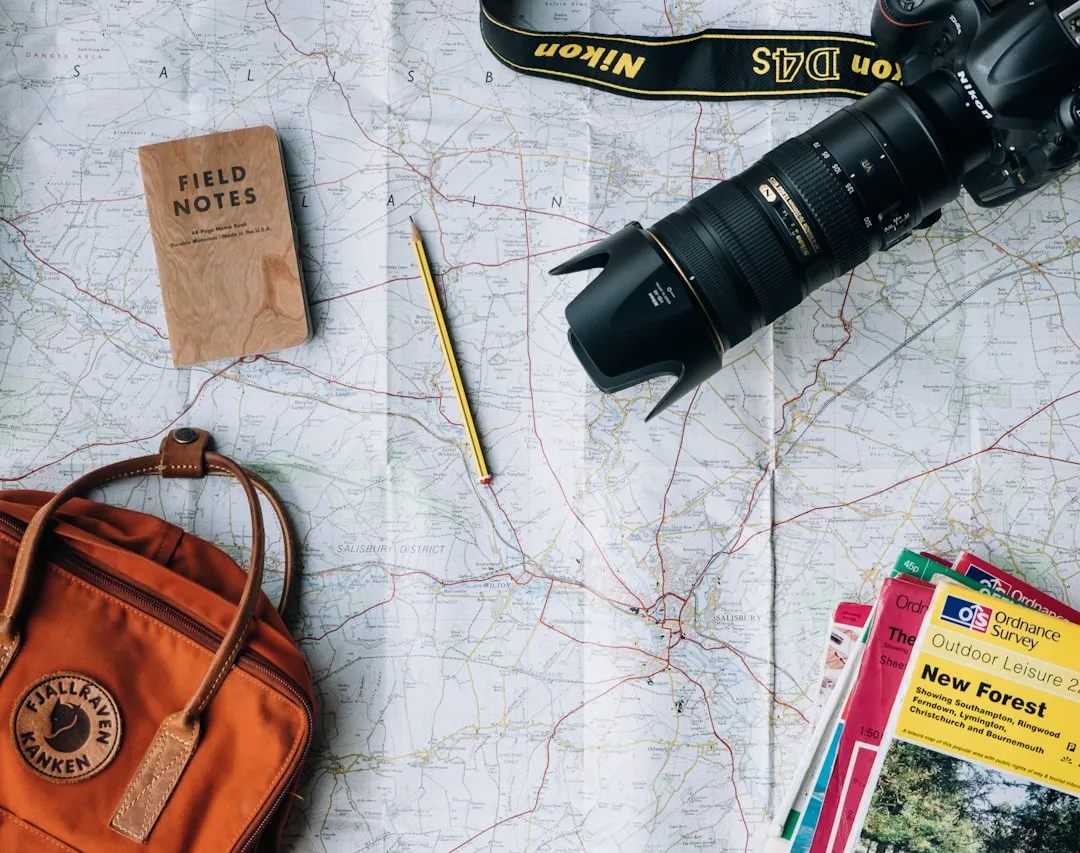
Traveling doesn't have to drain your bank account. Whether you're dreaming of a weekend road trip or a two-week international adventure, the gap between your current budget and your travel goals is almost always smaller than you think. With the right planning habits, a few smart tools, and a strategy for earning and redeeming rewards, you can see more of the world — or the country — without derailing your finances.
This guide breaks down the most effective, practical tactics for budget travel, from booking smarter to squeezing value out of every dollar you spend on the road.
Start With a Realistic Travel Budget
Before you book anything, you need a clear picture of what you're working with. A travel budget isn't just your total spending limit — it's a breakdown of every major cost category you'll encounter.
The Core Expense Categories
- Transportation: Flights, trains, rental cars, rideshares, or gas
- Accommodation: Hotels, hostels, vacation rentals, or home exchanges
- Food and drink: Restaurants, groceries, coffee, and snacks
- Activities and entertainment: Tours, museums, parks, and experiences
- Travel insurance and fees: Checked bags, resort fees, travel protection
- Buffer: At least 10-15% of your total budget for unexpected costs
Once you know how much you need, you can start planning how to fund it — and how to reduce each line item strategically. If you haven't already built a dedicated travel fund into your monthly finances, check out our guide on how to save money every month for proven tactics to free up cash consistently.
Book Flights the Smart Way
Flights are typically the biggest single expense in any travel budget, and they're also the category with the most room to save — if you know the rules.
Timing and Flexibility
Fare prices fluctuate constantly based on demand, season, and how far in advance you book. Generally speaking, booking domestic flights six to eight weeks ahead and international flights two to four months ahead tends to hit a sweet spot. Flying on Tuesdays, Wednesdays, or Saturdays is usually cheaper than peak travel days like Fridays and Sundays.
If you have even modest date flexibility, use fare comparison tools that show a full month of pricing on a calendar view. Shifting your departure by just one or two days can sometimes save hundreds of dollars.
Consider Nearby Airports
Major hub airports often have higher base fares than regional airports nearby. If you're within driving distance of two or more airports, always compare prices from each. The gas and parking cost to reach a secondary airport is often far less than the fare difference you'll save.
Use Miles and Points
If you haven't started earning travel rewards yet, now is the time. Cards that earn miles on everyday spending can offset flight costs significantly over time. For example, the Capital One Venture X earns 2x miles on every purchase, plus 10x miles on hotels and 5x on flights booked through Capital One Travel — making it a powerful tool for frequent travelers who want a flat, flexible earning structure.
Cut Accommodation Costs Without Sacrificing Comfort
Where you sleep can make or break your travel budget. Hotels in popular destinations can be surprisingly expensive, but there are ways to reduce this cost dramatically.
Hotel Loyalty Programs and Co-Branded Cards
Joining a hotel loyalty program is free and can yield real benefits — room upgrades, late checkouts, and free night rewards. Pairing a loyalty program with the right co-branded credit card amplifies those benefits further.
For example, the Marriott Bonvoy Boundless earns 6x points at Marriott properties and includes an annual Free Night Award — a benefit that can easily cover the card's $95 annual fee on a single redemption. Similarly, the IHG One Rewards Premier card offers an anniversary Free Night and a 4th reward night free, making it valuable for travelers who stay with IHG brands regularly.
Alternative Accommodations
Vacation rental platforms, home exchanges, and even hostels (which have upgraded significantly in recent years) can offer better value than traditional hotels — especially for longer trips or group travel. Many vacation rentals include kitchens, which leads directly to the next major savings lever: food.
Eat Well Without Eating Your Budget
Food is one of the most controllable travel expenses — and one of the most enjoyable parts of any trip. The key is balance, not deprivation.
Mix Grocery Runs With Restaurant Meals
For every sit-down restaurant meal you enjoy, consider replacing one other meal with groceries from a local supermarket. Breakfast and lunch bought at a market are almost always cheaper — and often more authentic — than tourist-area restaurants. This strategy alone can cut your daily food spending by 30-40%.
Earn Cash Back on Food Spending
If you're using a rewards card, make sure it's working hard in food categories while you travel. The Capital One Savor, for instance, earns 3% cash back on dining and grocery stores with no annual fee — making it a solid companion card for travelers who prefer simplicity and cash returns over complex points systems.
Maximize Every Dollar With the Right Credit Card Strategy
One of the most underutilized budget travel tools is a well-chosen rewards credit card. The key is matching the card's earning structure to your actual spending patterns — not just chasing a welcome bonus.
Understand What You Spend Most On
Before choosing a rewards card, track your typical monthly spending across categories: dining, groceries, gas, travel, streaming. Then find a card whose highest earn rates align with your top categories. A card that earns elevated rewards on categories you rarely use is nearly worthless in practice.
For travelers with varied spending, a card like the Citi Custom Cash automatically earns 5% back on your top eligible spending category each billing cycle — which adapts to your habits rather than requiring you to adapt to it.
Avoid Foreign Transaction Fees
If you travel internationally, make absolutely sure your card doesn't charge foreign transaction fees (typically 2-3% per transaction). This seemingly small fee adds up fast on a two-week trip. Many travel-focused cards waive these fees entirely — always confirm before you depart.
Use Your Card Responsibly
Earning rewards is only worthwhile if you're not paying interest. If carrying a balance means you're paying double-digit APR, those rewards are being erased — and then some. To understand exactly how interest charges work and how to avoid them, read our breakdown of how APR and credit card interest actually work.
Free and Low-Cost Activities: Travel Richer, Spend Less
Some of the best travel experiences cost nothing at all. National parks, public beaches, hiking trails, free museum days, local festivals, and street markets are often far more memorable than expensive packaged tours.
Research Before You Go
Before every trip, spend 30 minutes researching free or low-cost activities at your destination. City tourism websites, travel blogs, and local community forums are excellent sources. Many cities offer free public transit days, free museum admission on certain days of the week, or free walking tours run by knowledgeable locals on a tip-only basis.
Buy City Passes Strategically
City attraction passes can save money — but only if you'll realistically use what's included. Calculate the individual entry prices for every attraction included in a pass before purchasing. If you'd only visit half of them, the pass may cost more than buying separately.
Build Travel Into Your Long-Term Financial Plan
Budget travel isn't just about cutting costs on a single trip — it's a mindset that integrates travel goals into your overall financial life. The most effective budget travelers treat their next trip like any other financial goal: they define it, cost it out, and fund it systematically.
That means opening a dedicated travel savings account, automating monthly transfers into it, and earning rewards consistently on everyday spending so that a portion of every dollar you spend is quietly building toward your next adventure.
If you need help structuring this approach within a broader financial framework, our guide on how to create a budget that actually works offers a step-by-step system you can adapt to any income level or travel goal.
Final Thoughts
Traveling on a budget doesn't mean settling for less — it means being intentional about where your money goes so you can afford to go more places, more often. The strategies in this guide aren't complicated, but they compound powerfully when applied together: smarter booking, strategic accommodations, controlled food spending, the right rewards card, and a consistent savings habit.
Start with one or two changes on your next trip. You'll likely find that the savings — and the confidence they bring — motivate you to go further, both literally and financially.

Lauren Hartwell
Brooklyn-based money management columnist covering budgeting, saving, and everyday financial habits.