Apple Card: The Smarter Way to Earn Daily Cash Back
Discover how the Apple Card works, who it suits best, and how its Daily Cash rewards system can put real money back in your wallet every day.
If you live inside the Apple ecosystem — iPhone, MacBook, AirPods, and all — the Apple Card may feel like it was designed specifically for you. But even if you only use Apple Pay occasionally, this card offers a genuinely competitive cash-back structure wrapped in a privacy-first, fee-free package. Here's a thorough look at how the Apple Card works, what it rewards, and whether it belongs in your wallet.
What Is the Apple Card?
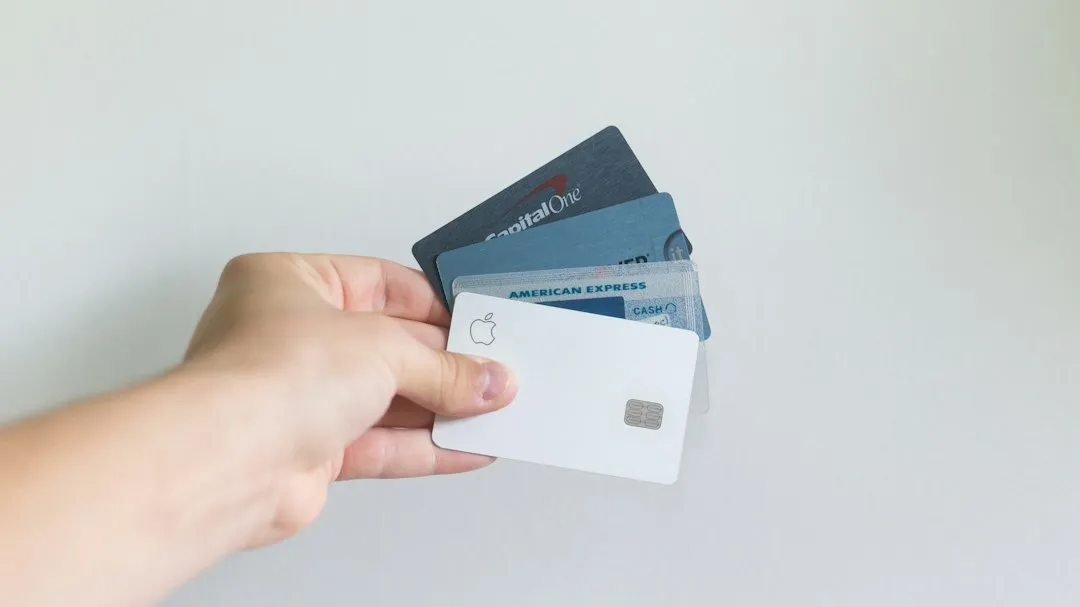
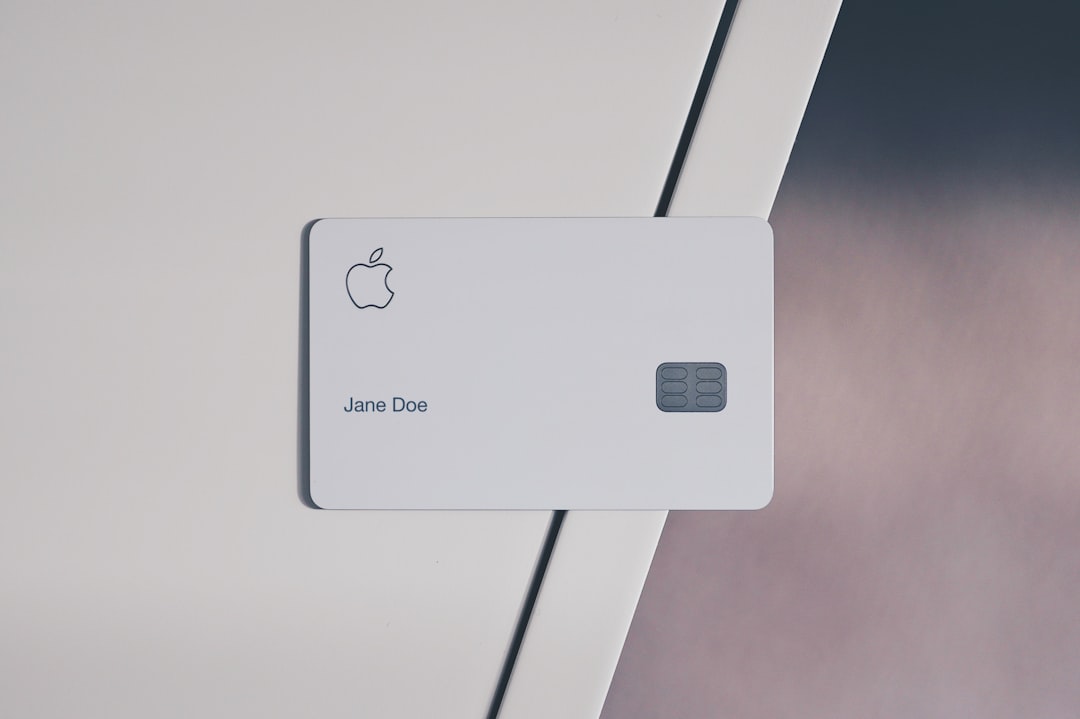
The Apple Card is a cash-back credit card with a $0 annual fee. It lives primarily on your iPhone in the Wallet app, though it also comes with a physical titanium card for situations where Apple Pay isn't accepted. The card is designed around simplicity: no hidden fees, no penalty APR, and a straightforward rewards system called Daily Cash.
Unlike traditional cards where you wait for a monthly statement credit or mail a check request, Apple Card deposits your cash back daily — directly into your Apple Cash balance, where it's available to spend, send, or save almost immediately.
How the Rewards System Works
The Apple Card uses a tiered Daily Cash structure based on how you pay, not just where you shop:
3% Daily Cash — Apple and Select Partners
You earn 3% Daily Cash when you buy directly from Apple — think the App Store, Apple Music, iCloud+, or a new iPhone at apple.com — and at a growing list of select partner merchants. This tier is where the card truly shines for Apple loyalists who spend regularly on Apple services or at participating retailers.
2% Daily Cash — Apple Pay Purchases
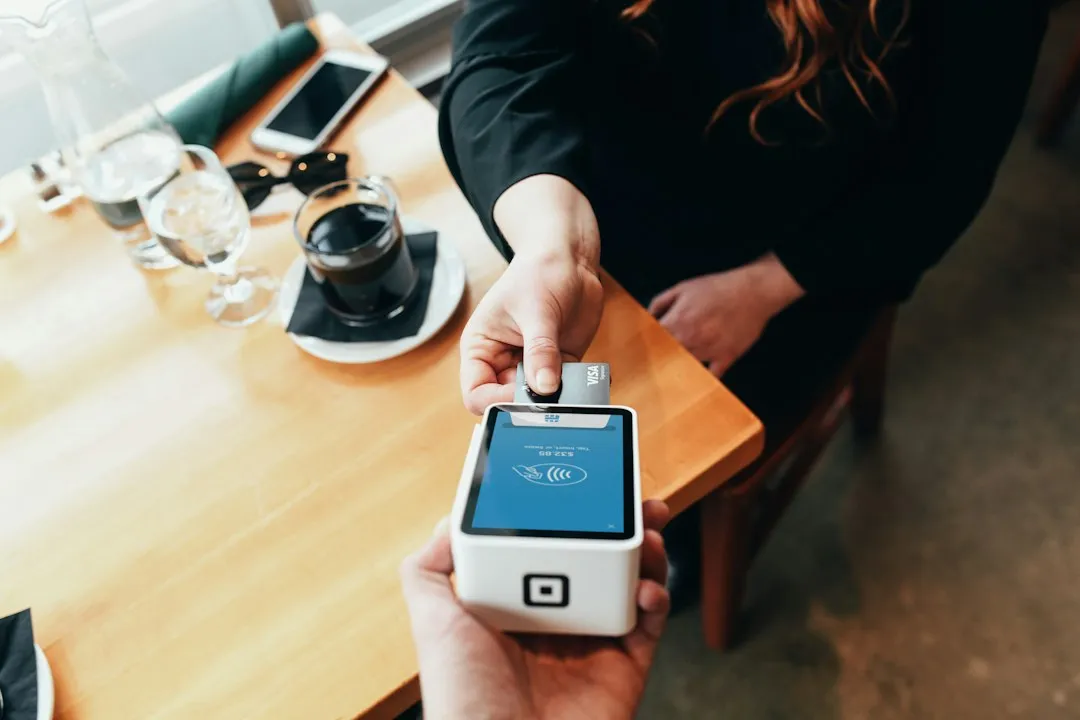
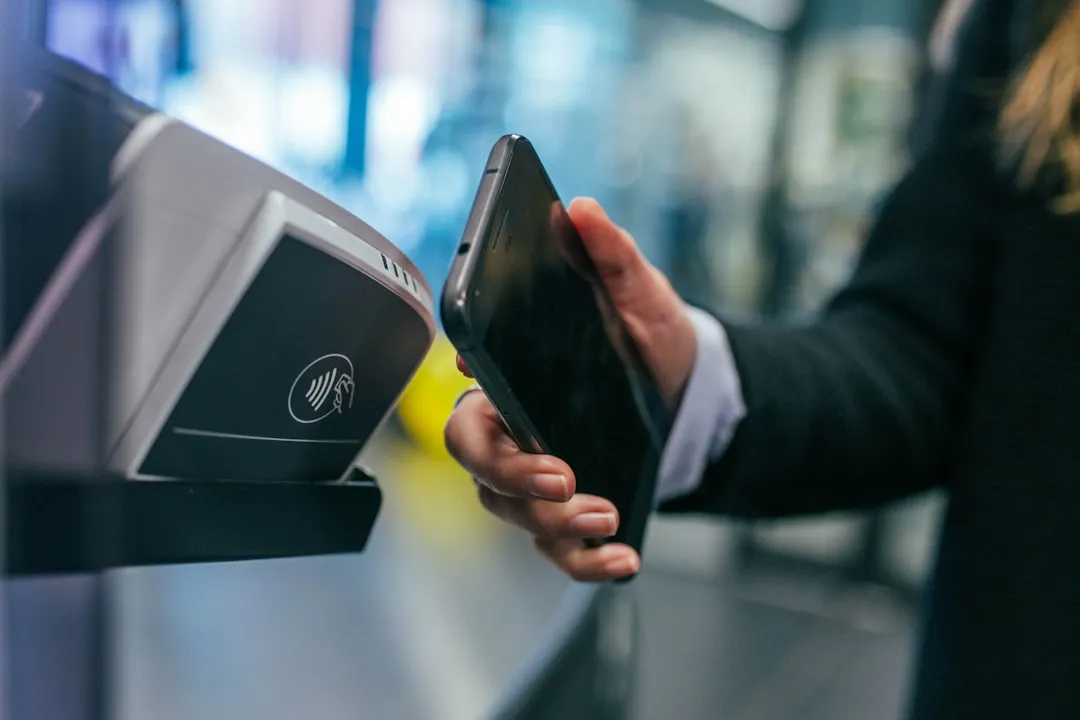
Every time you use Apple Pay at a contactless terminal — whether it's a grocery store, coffee shop, gas station, or online checkout — you earn 2% Daily Cash. This is the card's most broadly applicable reward tier, and the increasing adoption of contactless payments makes it more valuable than ever. In many everyday spending scenarios, 2% on all Apple Pay transactions is genuinely competitive.
1% Daily Cash — Physical Card
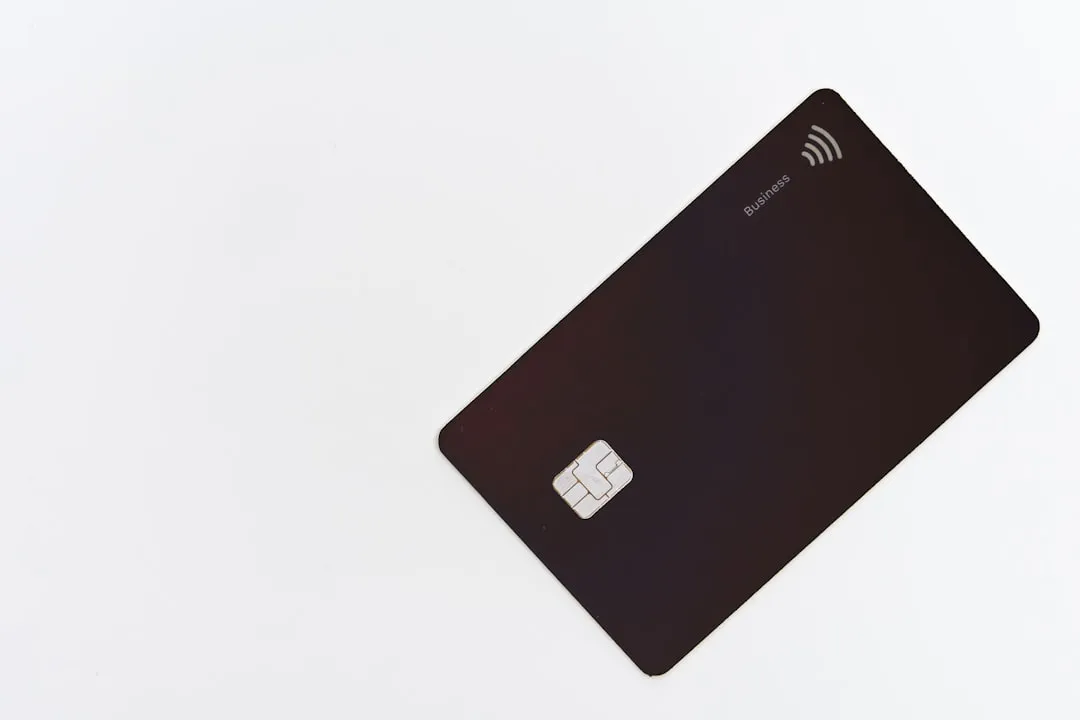
When you tap or swipe the titanium card at merchants that don't accept Apple Pay, you earn 1% Daily Cash. This is the weakest tier and a reminder that the card is built for a digital-first experience. If a large portion of your spending happens at places that only accept traditional swipe, the Apple Card's rewards become less compelling.
No Fees — And That Means None
The Apple Card charges no annual fee, no foreign transaction fees, no late fees, and no over-limit fees. That's a genuinely clean fee structure. While you'll still owe interest if you carry a balance — and the variable APR can be significant depending on your creditworthiness — the card never piles on penalty charges as a revenue mechanism.
This makes it particularly appealing for people who are building good financial habits. If you're newer to credit cards, check out our guide on how to choose your first credit card to understand what fee structures to watch for across different products.
The Daily Cash Feature: Why It Matters
Most cash-back cards accumulate your rewards over a billing cycle and apply them as a statement credit or mailed check once per month. Apple Card's Daily Cash lands in your Apple Cash account within 24 hours of a transaction posting. That means if you spend $200 at Apple on a Tuesday, your $6 in Daily Cash is sitting in your balance by Wednesday.
You can use that Apple Cash balance to:
- Make purchases through Apple Pay
- Send money to friends and family via Messages
- Apply it toward your Apple Card balance
- Move it to a linked bank account
This real-time feedback loop also makes it easier to track your actual rewards, which supports more mindful spending habits — something that aligns well with the card's overall philosophy of financial transparency.
Built-In Financial Tools in the Wallet App
One underrated aspect of the Apple Card is the financial dashboard baked into the iPhone Wallet app. Every transaction is automatically categorized (Food & Drinks, Shopping, Entertainment, etc.) and color-coded, giving you an at-a-glance view of your spending patterns without needing a third-party budgeting app.
The app also breaks down weekly and monthly spending summaries, shows your interest charges in plain dollar terms rather than percentages, and offers a smart payment feature that suggests how much to pay to minimize interest. These tools won't replace a full rewards maximization strategy, but they make it much easier to stay informed about your finances on a daily basis.
Who Is the Apple Card Best For?
iPhone Users Who Pay with Apple Pay Regularly
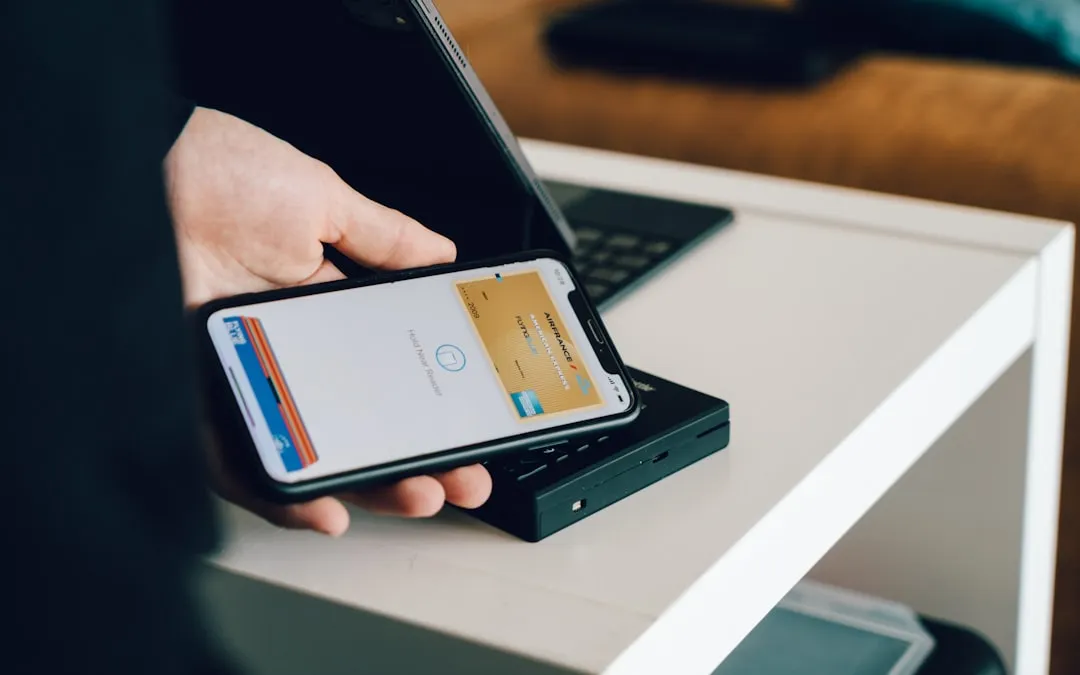
This is the core audience. If you reflexively tap your iPhone at checkout and your regular merchants accept contactless payments, earning 2% on most of your everyday purchases is a solid return on a $0 annual fee card. The more deeply embedded you are in the Apple ecosystem, the more that 3% tier on Apple purchases adds up.
People Who Want Simple, No-Fee Cash Back
If you're tired of tracking rotating bonus categories or wondering whether your points are worth 1 cent or 1.5 cents, the Apple Card is refreshingly simple. Cash is cash — there's no redemption math, no transfer partners, no blackout dates. For a comparison of cash-back versus points-based strategies, our article on cash back vs. travel rewards lays out the tradeoffs clearly.
Privacy-Conscious Consumers
Apple does not share your transaction data with advertisers or sell it to third parties — a meaningful differentiator for users who care about data privacy. Your spending habits stay between you and your card.
Where the Apple Card Falls Short
No card is perfect for everyone, and the Apple Card has real limitations worth acknowledging.
Weaker Rewards Where Apple Pay Isn't Accepted
Drop to 1% at merchants that still rely on magnetic stripe swipes, and the Apple Card loses its edge fast. If you frequently spend at small local businesses, farmers markets, or international merchants without contactless terminals, another flat-rate cash-back card might outperform it.
No Traditional Welcome Bonus
Many competing cards offer a lump-sum welcome bonus after meeting an initial spending threshold. The Apple Card doesn't have one. Your rewards grow steadily through daily use rather than a front-loaded bonus. If maximizing first-year value through a sign-up bonus is a priority, you'll want to understand how those bonus structures work before making a decision.
Requires an iPhone
The Apple Card is deeply integrated with iOS. While the physical card works anywhere Mastercard is accepted, the full experience — Daily Cash tracking, financial tools, interest calculations — requires an iPhone. Android users need not apply.
Apple Card vs. Other Cash-Back Options
It's worth briefly contextualizing where the Apple Card sits among cash-back alternatives. The Citi Custom Cash offers 5% back on your top eligible spending category each billing cycle, which can be highly lucrative if your spending is concentrated. The Capital One Savor delivers 3% specifically on dining, entertainment, streaming, and grocery purchases with no annual fee — a strong pick if those categories dominate your budget. Each card has a different sweet spot, and the right choice depends on your spending profile and lifestyle.
Final Verdict: Is the Apple Card Worth It?
For iPhone users who pay with Apple Pay often, the Apple Card delivers genuine everyday value with zero fees, real-time cash back, and excellent financial transparency tools. It's not a card designed to chase maximum rewards through complex optimization — it's designed to be effortlessly useful for the way most Apple users already pay.
If your spending is heavily digital, your regular merchants support contactless payments, and you value simplicity over complexity, the Apple Card earns a well-deserved spot in your wallet. If you're a heavy traveler, a points optimizer, or an Android user, you'll likely find better value elsewhere in the lineup.
The bottom line: at $0 per year, the Apple Card has almost no reason to leave your phone's Wallet app — and plenty of reasons to make it your daily driver.

Ethan Kowalski
Personal finance writer based in Chicago, focused on credit cards, rewards programs, and consumer banking.