How FICO Scores Work: Understanding the 5 Factors That Shape Your Credit
Learn exactly how FICO scores are calculated, what the five factors mean, and practical steps to protect and grow your credit in the US.
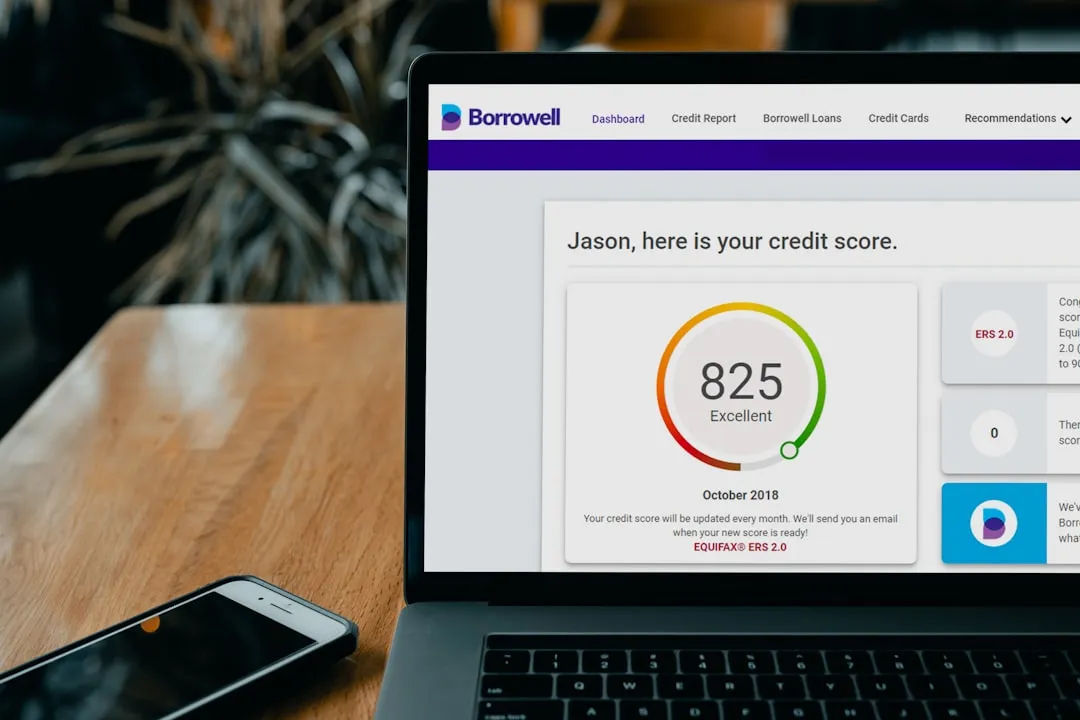
Your FICO score is one of the most consequential three-digit numbers in your financial life. It determines whether you qualify for a mortgage, what interest rate you'll pay on a car loan, and even whether a landlord will rent to you. Yet most Americans have only a vague idea of how it's actually calculated — or how to move it in the right direction.
This guide breaks down every component of your FICO score, explains what lenders actually see, and gives you concrete steps to protect and improve your standing over time.
What Is a FICO Score, and Why Does It Matter?
FICO stands for Fair Isaac Corporation, the company that created the scoring model used by the vast majority of U.S. lenders. While other scoring models exist — VantageScore being the most common alternative — FICO is the standard in mortgage lending and most major credit decisions.
FICO scores range from 300 to 850. Broadly speaking, lenders interpret ranges like this:
- 800–850: Exceptional — you'll qualify for the best rates available
- 740–799: Very Good — strong approval odds and competitive rates
- 670–739: Good — most lenders will approve you at reasonable terms
- 580–669: Fair — approval is possible but terms may be less favorable
- 300–579: Poor — approval is difficult; secured cards and credit-builder loans are often the starting point
Even a difference of 30 to 40 points can mean thousands of dollars more in interest over the life of a mortgage or auto loan. That's why understanding the mechanics matters so much.
The 5 Factors Behind Your FICO Score
FICO calculates your score using five distinct categories of information from your credit report. Each category carries a different weight, and knowing those weights tells you where to focus your energy.
1. Payment History — 35%
This is the single largest factor in your FICO score. Every on-time payment reinforces your score; every missed or late payment damages it. FICO looks at:
- Whether you've paid all accounts on time
- How late any missed payments were (30, 60, or 90+ days)
- How recently any negative marks occurred
- The total number of delinquencies across all accounts
A single 30-day late payment can drop an excellent score by 60 to 110 points. Older negative marks matter less over time, but the damage is slow to heal. Setting up automatic minimum payments is the simplest way to ensure you never miss a due date.
2. Amounts Owed (Credit Utilization) — 30%
Credit utilization measures how much of your available revolving credit you're currently using. If you have a $10,000 total credit limit and $3,000 in balances, your utilization is 30%. FICO considers both your overall utilization and the utilization on individual cards.
Experts generally recommend keeping utilization below 30%, with scores improving further as you push it below 10%. Paying down balances, requesting a credit limit increase, or spreading spending across multiple cards can all help. For a deeper look at this factor, check out our guide on how credit utilization affects your credit score.
3. Length of Credit History — 15%
The longer your average account age, the better. FICO looks at:
- How long your oldest account has been open
- How long your newest account has been open
- The average age of all your accounts
- How recently individual accounts have been used
This is why financial advisors often suggest keeping your oldest credit card open even if you rarely use it. Closing an old account removes it from the average-age calculation and can nudge your score downward — especially if you have a short overall history.
4. Credit Mix — 10%
FICO rewards borrowers who can responsibly manage different types of credit. The two broad categories are:
- Revolving credit: Credit cards and lines of credit
- Installment credit: Mortgages, auto loans, student loans, and personal loans
You don't need every type of account to score well here, and you should never take on debt you don't need just to diversify. But if you currently only have credit cards, a small credit-builder loan from a credit union can add positive installment history without taking on meaningful risk.
5. New Credit (Hard Inquiries) — 10%
Every time you apply for a new credit product, the lender pulls your credit report in what's called a hard inquiry. Each inquiry can temporarily lower your score by a few points. Multiple inquiries in a short window signal to lenders that you may be in financial stress.
FICO does make an exception for rate shopping on mortgages, auto loans, and student loans: multiple inquiries of the same type within a 14- to 45-day window are typically counted as a single inquiry. Credit card applications, however, are each counted separately.
What FICO Doesn't Consider
Under the Fair Credit Reporting Act and Equal Credit Opportunity Act, FICO scores cannot factor in your income, employment status, race, religion, national origin, sex, marital status, or age. Your checking account balance is also irrelevant. A high earner with poor payment history will score lower than a moderate earner with spotless on-time payments.
This is actually good news: the factors you can control — paying on time, managing utilization, keeping old accounts open — are the ones that matter most.
How to Read Your Free Credit Reports
Under federal law, you're entitled to a free credit report from each of the three major bureaus — Equifax, Experian, and TransUnion — through AnnualCreditReport.com. Because each bureau may have slightly different data, your FICO score can vary between them by dozens of points.
When reviewing your reports, look for:
- Accounts you don't recognize (potential fraud or identity theft)
- Incorrect late payment notations
- Debts that should have aged off (most negative marks disappear after seven years; bankruptcies after ten)
- Inaccurate credit limits, which inflate your apparent utilization
You can dispute errors directly with the credit bureaus at no cost. The CFPB (Consumer Financial Protection Bureau) provides step-by-step guidance on the dispute process at consumerfinance.gov.
Practical Steps to Strengthen Your FICO Score
Understanding the five factors is the first step. Here's how to translate that knowledge into action:
Automate Payments Immediately
Set every credit card, loan, and utility to pay at least the minimum automatically. Payment history accounts for 35% of your score — it's the single highest-impact habit you can build. If cash flow is tight, automate the minimum and pay extra manually when possible.
Target High-Utilization Cards First
If you're carrying balances, focus extra payments on the card with the highest utilization percentage rather than necessarily the highest balance. This can produce a faster score improvement. A structured debt payoff plan combined with utilization management is one of the most effective strategies available.
Don't Open Multiple Cards at Once
Spreading applications across several months limits the inquiry impact and allows each new account's average age to stabilize before you add another. If you're just starting out, read our guide on building your financial foundation to understand how credit fits into the broader picture.
Keep Older Accounts Active
Use your oldest card for a small, recurring purchase each month and pay it in full. This keeps the account from being closed due to inactivity while contributing positively to both payment history and credit age.
Monitor Your Score Regularly
Many card issuers provide free FICO or VantageScore access. Checking your own score is a soft inquiry and never affects your score — so there's no reason to avoid it. Monitoring alerts you to sudden drops, which can signal fraud or reporting errors that need to be addressed quickly.
How Long Does It Take to See Results?
Credit improvement is rarely overnight. Paying down a large balance can reflect on your score within 30 to 60 days once the new balance is reported. Recovering from a serious delinquency, however, typically takes 12 to 24 months of consistent positive behavior. Building from a thin file to a strong profile generally requires at least 12 months of active, responsible use.
The most important mindset shift is thinking of your credit score as a long-term asset — one that pays dividends in lower interest rates and better financial opportunities for years to come. Understanding exactly what drives the number puts you firmly in control of it.
For a broader look at personal financial habits that complement credit management, explore our guide on how to create a budget that actually works. A solid budget makes it far easier to pay on time, keep balances low, and avoid the pitfalls that drag scores down.

Ethan Kowalski
Personal finance writer based in Chicago, focused on credit cards, rewards programs, and consumer banking.