How to Start Investing: A Beginner's Guide to Growing Your Money
New to investing? Learn how to start growing your money with practical steps, account types, and strategies every beginner can use confidently.
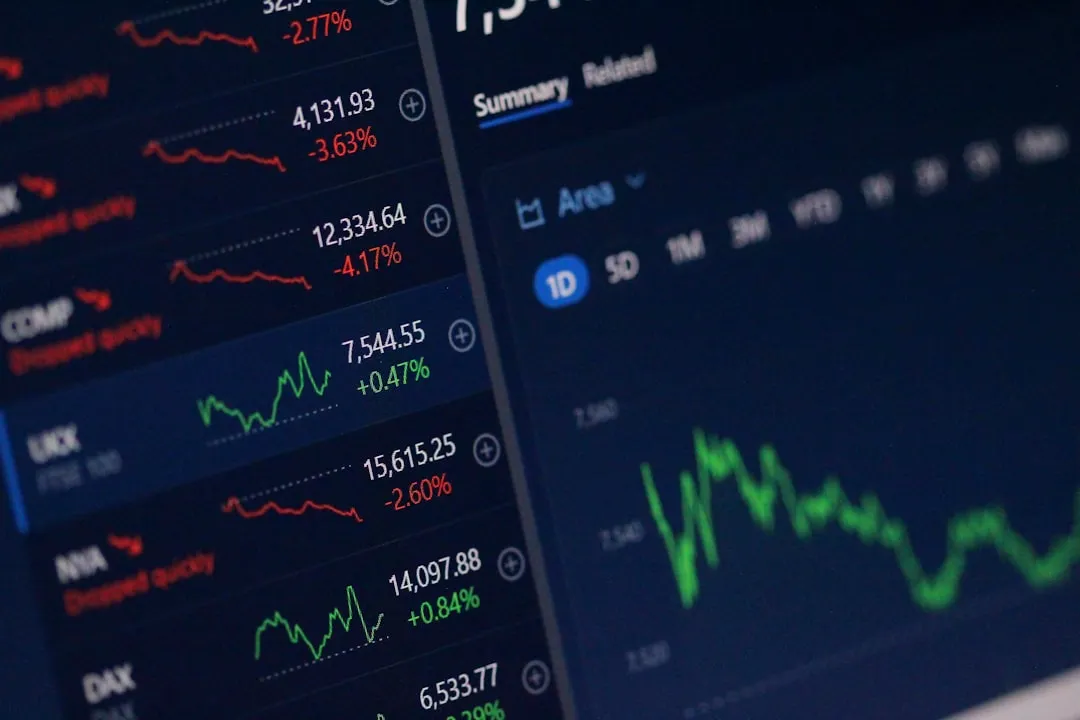
Investing is one of the most powerful ways to build long-term wealth — yet many Americans put it off for years, convinced they don't have enough money, enough knowledge, or the right moment to start. The truth is that the best time to begin investing is as early as possible, and you don't need a financial advisor or a large lump sum to get started. This guide breaks down everything a beginner needs to know to take that first step with confidence.
Why Investing Matters More Than Saving Alone
Keeping money in a savings account is essential for short-term goals and emergencies — and building consistent saving habits is a critical first step. But savings accounts, even high-yield ones, rarely keep pace with inflation over the long run. When the cost of living rises faster than the interest you're earning, the purchasing power of your saved dollars quietly shrinks over time.
Investing puts your money to work in assets — stocks, bonds, index funds, real estate investment trusts — that have historically grown in value over time. The mechanism that makes this so powerful is compound growth: your returns generate their own returns, creating a snowball effect that accelerates the longer you stay invested. Even modest, consistent contributions can grow into significant wealth over decades.
Get Your Financial Foundation in Order First
Before you invest a single dollar in the market, make sure your financial baseline is solid. Jumping into investments while carrying high-interest debt or without a financial cushion can leave you in a vulnerable position.
Build an Emergency Fund
Aim to have three to six months of essential living expenses set aside in a liquid, accessible account before investing. This protects you from having to sell investments at a loss during a personal financial emergency. If you haven't built that cushion yet, prioritizing it first is the smarter move.
Pay Down High-Interest Debt
If you're carrying credit card balances at high APRs, the guaranteed "return" of eliminating that debt almost always outpaces what you'd earn in the market. Paying off debt faster frees up cash flow you can then redirect toward investments with a clean slate.
Understand the Main Types of Investment Accounts
Where you invest matters almost as much as what you invest in. The U.S. offers several tax-advantaged account types designed to reward long-term savers and investors.
401(k) and Employer-Sponsored Plans
If your employer offers a 401(k) with a matching contribution, that match is essentially free money — and it should be your first investing priority. Contribute at least enough to capture the full match before putting money anywhere else. Contributions are made pre-tax, which also lowers your taxable income for the year.
Individual Retirement Accounts (IRAs)
A Traditional IRA allows pre-tax contributions that grow tax-deferred until retirement. A Roth IRA uses after-tax money, but qualified withdrawals in retirement are completely tax-free — making it an especially valuable account for younger investors who expect to be in a higher tax bracket later. Contribution limits apply to both, so check current IRS guidelines for the latest figures.
Taxable Brokerage Accounts
Once you've maxed out tax-advantaged accounts, or if you want flexibility to access funds before retirement age without penalties, a standard taxable brokerage account gives you that freedom. You'll owe capital gains taxes on profits, but you can invest in virtually anything and withdraw on your own timeline.
What to Actually Invest In: Keep It Simple
Beginners are often overwhelmed by the sheer number of investment options. The good news is that you don't need a complex portfolio to build real wealth. Some of the most successful long-term investors keep things remarkably straightforward.
Index Funds and ETFs
Index funds and exchange-traded funds (ETFs) are widely considered the best starting point for most investors. Instead of picking individual stocks, these funds hold a basket of securities that track a market index — like the S&P 500. This gives you instant diversification, which significantly reduces risk. Costs are typically low, and historical performance of broad market index funds has been strong over long time horizons.
Target-Date Funds
If you want a true set-it-and-forget-it option, target-date funds automatically adjust their asset mix as you approach a specified retirement year. They start more aggressive (more stocks) when you're young and gradually shift more conservative (more bonds) as you near retirement. Many 401(k) plans offer these as a default option.
Individual Stocks and Bonds
Buying individual company stocks can deliver higher returns — but also higher risk. Once you understand the basics and feel comfortable, adding individual positions can complement a core index fund strategy. Bonds, which are essentially loans to governments or corporations, tend to be more stable and can add balance to a portfolio, especially as you get older.
How Much Should You Invest?
There's no universal answer, but a commonly cited guideline is to invest at least 15% of your gross income toward retirement — including any employer match. If that's not immediately possible, starting with whatever you can afford and increasing contributions over time is a perfectly valid strategy. Many brokerage platforms let you begin with as little as $1 through fractional shares.
Automating your contributions is one of the smartest moves you can make. Setting up automatic transfers on payday means you invest before you have a chance to spend that money — a strategy sometimes called "paying yourself first." This also takes the emotion out of investing, which is one of the biggest obstacles beginners face.
Manage Risk Without Letting Fear Stop You
Market volatility is normal. Prices go up, prices go down, and the news cycle will always find a reason to sound alarming. What separates successful long-term investors from those who lose money isn't timing the market perfectly — it's staying invested through the inevitable dips.
Diversification is your primary risk management tool. By spreading investments across different asset classes, sectors, and geographies, you reduce the impact of any single investment performing poorly. Index funds handle much of this automatically.
Your risk tolerance — your emotional and financial ability to handle losses without panic-selling — should also guide how you invest. Younger investors with decades until retirement can typically afford to hold more stocks. Those closer to needing the money may want a more conservative mix.
Keep an Eye on Fees and Taxes
Investment fees, even small ones, compound over time just like returns do — but in the wrong direction. Always check the expense ratio of any fund you buy. Low-cost index funds often charge a fraction of a percent annually, while actively managed funds can charge significantly more without consistently better results.
On the tax side, holding investments for longer than one year qualifies them for lower long-term capital gains rates. Selling quickly triggers short-term rates, which are taxed as ordinary income. Tax-loss harvesting — selling a losing investment to offset gains elsewhere — is another strategy to explore once you're more experienced.
Stay the Course and Keep Learning
Investing is not a one-time decision — it's a lifelong habit. Check in on your portfolio periodically to rebalance if your asset allocation has drifted, but resist the urge to make constant changes in response to headlines. Consistent contributions, diversification, and patience are the three pillars of successful long-term investing.
As your financial picture grows more complex, consider working with a fee-only financial advisor who is legally required to act in your best interest as a fiduciary. The CFPB and SEC also offer free educational resources to help you understand your rights and options as an investor.
Getting your broader financial habits right will support your investing journey. Building a budget that works helps you identify exactly how much you can consistently invest each month. And maintaining a strong credit profile — understanding factors like how your FICO score is calculated — keeps your overall financial health in good shape as your portfolio grows.
The most important step is the first one. Open an account, make your first contribution, and let time do the heavy lifting.

Ethan Kowalski
Personal finance writer based in Chicago, focused on credit cards, rewards programs, and consumer banking.